In today’s digital-first world, businesses can no longer rely only on physical stores to generate revenue. Customers now prefer fast, convenient, and secure online shopping experiences. As a result, Shopping Cart Website Development has become one of the most important investments for businesses of every size. Whether you run a startup, a retail store, or a large enterprise, having a fully functional shopping cart website can transform how you sell products and connect with customers.
A shopping cart website does much more than display products online. It allows customers to browse products, compare options, add items to their cart, complete payments, and track orders without any hassle. Moreover, a well-developed shopping cart platform improves user experience, increases conversions, and builds customer trust. Businesses that invest in modern shopping cart website development often experience higher engagement and better sales performance.
However, building a successful eCommerce platform requires strategic planning, strong design, secure payment integration, and performance optimization. Every feature must work smoothly to ensure a seamless customer journey. This blog explores every major aspect of shopping cart website development and explains why businesses need a powerful eCommerce platform to stay competitive.
Why Shopping Cart Website Development Matters for Modern Businesses
The online marketplace has grown rapidly over the last decade. Customers expect businesses to provide a smooth digital shopping experience. Because of this shift, Shopping Cart Website Development has become essential for companies that want to remain relevant.
A shopping cart system helps businesses automate sales processes. Instead of manually handling product orders, the website manages product selection, order placement, billing, and payment processing. This saves time and reduces operational errors. Furthermore, automation allows business owners to focus on growth strategies rather than repetitive administrative tasks.
Another important advantage is customer convenience. Buyers can shop anytime from any location. Since customers appreciate flexibility, businesses with strong online stores often outperform competitors with limited digital presence. Therefore, investing in shopping cart website development creates long-term business value.
Key Features Every Shopping Cart Website Must Have
A successful eCommerce website depends heavily on its features. Without the right functionality, customers may leave before completing a purchase. Therefore, shopping cart website development must include essential components that improve usability.
Product catalogs play a vital role because customers need clear product descriptions, images, specifications, and pricing. Search functionality also improves user experience by helping customers quickly find desired products. Advanced filters further simplify browsing.
The cart itself should be easy to use. Customers must be able to add, remove, or update product quantities without confusion. A complicated cart often leads to abandoned purchases. Additionally, checkout pages should remain simple and fast.
Secure payment gateways are equally important. Customers want confidence when entering payment details. Multiple payment options such as UPI, cards, wallets, and net banking improve convenience. Order tracking and automated email notifications also enhance customer satisfaction.
Importance of User Experience in Shopping Cart Website Development
User experience directly impacts conversion rates. Even the best products may fail to sell if the website feels slow or confusing. That is why businesses should prioritize customer-friendly design during Shopping Cart Website Development.
A clean interface reduces distractions and guides users toward purchase decisions. Navigation menus should remain intuitive so visitors can move between categories effortlessly. Product pages should present information clearly and attractively.
Fast-loading pages also improve user satisfaction. Slow websites frustrate customers and increase bounce rates. Therefore, performance optimization must remain a top priority. Mobile responsiveness is equally critical because many customers now shop using smartphones.
Simple checkout flows reduce friction. When fewer steps exist between product selection and payment completion, customers are more likely to complete purchases. Therefore, optimizing user journeys leads directly to increased revenue.
Role of Mobile Optimization in eCommerce Success
Mobile commerce has changed online shopping behavior dramatically. Today, many consumers browse and purchase products through smartphones. Because of this trend, mobile-friendly design is essential in Shopping Cart Website Development.
Responsive design ensures websites adjust smoothly to different screen sizes. Buttons, menus, images, and text should remain easy to interact with on smaller devices. Poor mobile experiences often cause lost sales.
Mobile optimization also improves loading speed. Since smartphone users expect quick access, optimized images and lightweight design become important. Smooth mobile checkout processes further enhance conversions.
Additionally, search engines reward mobile-friendly websites with better rankings. As a result, businesses benefit from improved visibility and organic traffic. Mobile optimization therefore supports both user experience and digital marketing goals.
Secure Payment Gateway Integration
Security remains one of the biggest concerns in online shopping. Customers need assurance that payment information stays protected. Therefore, secure payment gateway integration forms a critical part of Shopping Cart Website Development.
Trusted payment gateways encrypt sensitive customer data during transactions. This protects against fraud and unauthorized access. SSL certificates further strengthen security by safeguarding communication between users and the website.
Offering multiple payment methods improves customer confidence. Some customers prefer credit cards, while others rely on UPI or digital wallets. Supporting various payment options reduces purchase barriers.
Businesses must also comply with security standards and payment regulations. Maintaining secure infrastructure protects brand reputation and encourages repeat purchases.
Shopping Cart Website Development and Inventory Management
Managing inventory efficiently is crucial for eCommerce success. Without accurate stock tracking, businesses risk overselling or disappointing customers. That is why inventory management integration is essential in Shopping Cart Website Development.
Automated inventory systems update stock levels in real time whenever purchases occur. This reduces manual effort and prevents errors. Customers also appreciate accurate product availability information.
Inventory tools help businesses monitor fast-selling products, slow-moving stock, and seasonal demand patterns. These insights improve purchasing decisions and reduce storage costs. Efficient stock management ultimately improves profitability.
Additionally, integration with warehouse systems streamlines order fulfillment. Faster processing leads to improved customer satisfaction and stronger business performance.
Importance of Search and Product Filters
Customers expect convenience while shopping online. If they cannot quickly find products, they may leave the website. Therefore, search tools and product filters significantly improve shopping cart website development.
Search bars should deliver accurate and fast results. Auto-suggestions further improve usability by helping users discover relevant products while typing. Advanced filters allow customers to sort items by category, brand, price, ratings, or popularity.
These features reduce browsing time and improve purchase decisions. When customers locate products quickly, they feel more satisfied and complete transactions more often. Better search experiences therefore contribute directly to higher conversions.
SEO Benefits of Shopping Cart Website Development
Search engine visibility plays a major role in eCommerce growth. Even the best online store needs traffic to generate sales. Therefore, SEO-friendly shopping cart website development becomes essential.
Optimized product pages improve search rankings. Product descriptions should contain relevant keywords without sounding unnatural. Clean URLs, meta titles, and schema markup also help search engines understand website content.
Fast page speed contributes to better rankings. Mobile responsiveness further supports SEO performance. Additionally, optimized category pages attract broader search traffic.
Organic visibility reduces dependence on paid advertising. Over time, strong SEO strategies generate sustainable traffic and better return on investment.
Importance of Speed and Performance Optimization
Website speed strongly influences user behavior. Research consistently shows that slow-loading websites lose customers quickly. Because of this, speed optimization should remain central to shopping cart website development.
Compressed images reduce load time without sacrificing quality. Efficient coding minimizes unnecessary resource usage. Content delivery networks improve performance by delivering assets faster to users across locations.
Caching strategies also improve speed by reducing server load. Faster websites create smoother browsing experiences and improve conversion rates. Since performance affects both users and search rankings, optimization delivers multiple benefits.
Custom Shopping Cart Development vs Ready-Made Platforms
Businesses often choose between custom-built solutions and ready-made eCommerce platforms. Both approaches offer advantages depending on business requirements.
Ready-made platforms allow faster deployment with lower initial costs. They often include templates and built-in features. Small businesses may benefit from this convenience.
However, custom shopping cart website development offers greater flexibility. Businesses can build unique features tailored to specific goals. Custom solutions also support scalability and stronger branding.
Choosing the right approach depends on budget, long-term plans, and technical requirements. Businesses expecting rapid growth often benefit from custom development.
Importance of Customer Data and Analytics
Modern eCommerce success depends heavily on data-driven decision-making. Shopping cart systems generate valuable customer insights that help businesses improve strategies.
Analytics reveal customer behavior, purchase trends, abandoned carts, and product performance. These insights enable better marketing campaigns and inventory planning. Businesses can identify what drives sales and what needs improvement.
Personalization also becomes possible through analytics. Recommending relevant products increases average order value. Therefore, integrating analytics into shopping cart website development creates measurable business advantages.
Role of Digital Marketing in Shopping Cart Success
Building a website alone does not guarantee sales. Businesses must attract customers using effective marketing strategies. That is why digital marketing complements shopping cart website development.
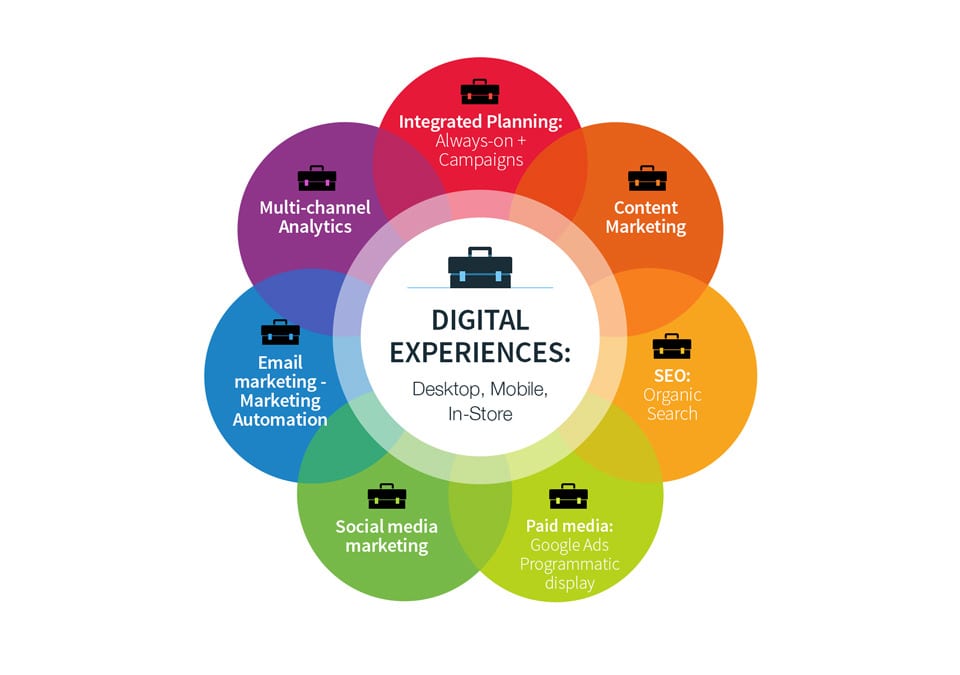
Search engine optimization drives organic traffic. Social media marketing builds brand awareness and customer engagement. Paid advertising increases visibility for promotions and launches.
Email marketing also improves customer retention. Personalized offers encourage repeat purchases. Content marketing further strengthens trust and authority. Together, these strategies help shopping cart websites reach broader audiences and boost revenue.
Common Challenges in Shopping Cart Website Development
Although eCommerce offers huge opportunities, businesses often face development challenges. Technical issues, security concerns, and user experience problems can affect performance.
Payment integration may require compliance with multiple standards. Inventory synchronization can become complex across multiple sales channels. Security threats also demand continuous monitoring.
Scalability presents another challenge. As traffic grows, infrastructure must support higher demand without slowing down. Businesses should work with experienced developers to overcome these obstacles effectively.
Planning carefully from the beginning reduces long-term complications and ensures smoother operations.
Future Trends in Shopping Cart Website Development
Technology continues reshaping online shopping. Businesses that adapt early often gain competitive advantages. Therefore, understanding future trends helps companies prepare for long-term success.
Artificial intelligence is improving product recommendations and customer service. Chatbots now assist users instantly. Voice commerce is also growing as smart assistants become more popular.
Augmented reality enhances product visualization, especially for fashion and furniture industries. One-click checkout solutions reduce friction during purchases. As customer expectations evolve, shopping cart website development will continue becoming more intelligent and personalized.
Businesses that embrace innovation will remain competitive in the evolving eCommerce landscape.
Choosing the Right Development Partner
Selecting the right development team significantly affects project success. A skilled partner understands both technical requirements and business goals. Therefore, businesses should evaluate expertise, portfolio, and support capabilities before making a decision.
An experienced team builds scalable, secure, and high-performing solutions. They also provide maintenance, updates, and technical support after launch. This ongoing support ensures smooth performance and quick issue resolution.
Communication matters as well. A transparent development partner keeps projects aligned with timelines and expectations. Choosing the right team reduces risks and improves outcomes.
Conclusion
In the modern business landscape, Shopping Cart Website Development is no longer optional for companies that want sustainable growth. It creates a seamless shopping experience, improves operational efficiency, strengthens customer trust, and increases sales opportunities. From mobile optimization and secure payment integration to SEO and analytics, every component plays an important role in eCommerce success.
A well-designed shopping cart website does more than process transactions. It builds strong customer relationships and creates a scalable digital business model. As technology continues evolving, businesses that invest in advanced shopping cart solutions will remain ahead of competitors. Therefore, now is the perfect time to build a powerful online store and unlock new growth opportunities.
Visit: Digistrive Media
Contact: +91 8147327494 / +91 8050732515