Introduction
Many entrepreneurs are still trying to understand why small businesses fail to go online in 2026.
The intention is there—but execution is where most businesses struggle. Between choosing the right tools, hiring multiple freelancers, and managing budgets, things quickly become overwhelming.
As a result, businesses delay their online launch and lose valuable opportunities.
In this blog, we break down the real reasons behind these failures and how to overcome them.

Why Small Businesses Fail to Go Online Due to Too Many Tools
One of the biggest reasons why small businesses fail to go online is confusion caused by too many tools.
Business owners are exposed to:
- Website builders
- Social media platforms
- Advertising tools
- CRM systems
Instead of simplifying the process, this creates decision fatigue.
Result: No action is taken.
Why Businesses Struggle to Go Online with Multiple Freelancers
Another major issue is fragmented execution.
Businesses often hire:
- A web developer
- A digital marketer
- A designer
However, there is no unified strategy connecting all these efforts.
This leads to:
- Poor integration
- Miscommunication
- Lack of accountability
These challenges explain why many businesses struggle to go online effectively.
Why Small Businesses Fail Online Without a Proper Strategy
Many assume that having a website or social media page is enough.
In reality, a successful online business requires:
- Traffic generation
- Lead capture systems
- Conversion strategy
- Follow-up automation
Without these elements, businesses fail to generate consistent revenue.
Why Small Businesses Fail to Go Online Due to Budget Misallocation
Budget allocation plays a critical role.
Most businesses spend heavily on:
- Website design
- Branding
But ignore:
- Advertising
- Lead generation systems
- Automation
This imbalance is a key reason why small businesses fail to go online successfully.
Why Avoiding Ads Is a Major Reason Businesses Fail Online
Paid advertising is often avoided due to fear or lack of knowledge.
However, without ads:
- Growth becomes slow
- Visibility is limited
- Competitors dominate
According to HubSpot, businesses that use structured lead generation strategies see significantly higher conversion rates.
Why Small Businesses Fail Online Without Lead Capture Systems
Traffic alone is not enough.
Without proper systems like:
- Landing pages
- Lead forms
- Clear call-to-actions
Visitors leave without taking action.
This is a major reason why small businesses fail online.
Why Lack of CRM and Tracking Leads to Failure
Without tracking systems, businesses cannot measure performance.
Missing elements include:
- Lead tracking
- Conversion data
- Customer follow-ups
According to Google, data-driven businesses perform better because they make informed decisions.
Why Slow Execution Is a Hidden Growth Killer
Speed is critical in today’s digital environment.
Many businesses take:
- Weeks to build a website
- Weeks to launch campaigns
By the time everything is ready, opportunities are lost.
This delay is another reason why small businesses fail to go online.
Why Ignoring AI and Automation Slows Down Growth
Manual processes limit scalability.
Modern businesses use:
- AI chatbots
- Automated follow-ups
- Smart lead nurturing systems
Ignoring these tools creates inefficiency and slows growth.
Why Lack of a System Is the Biggest Problem
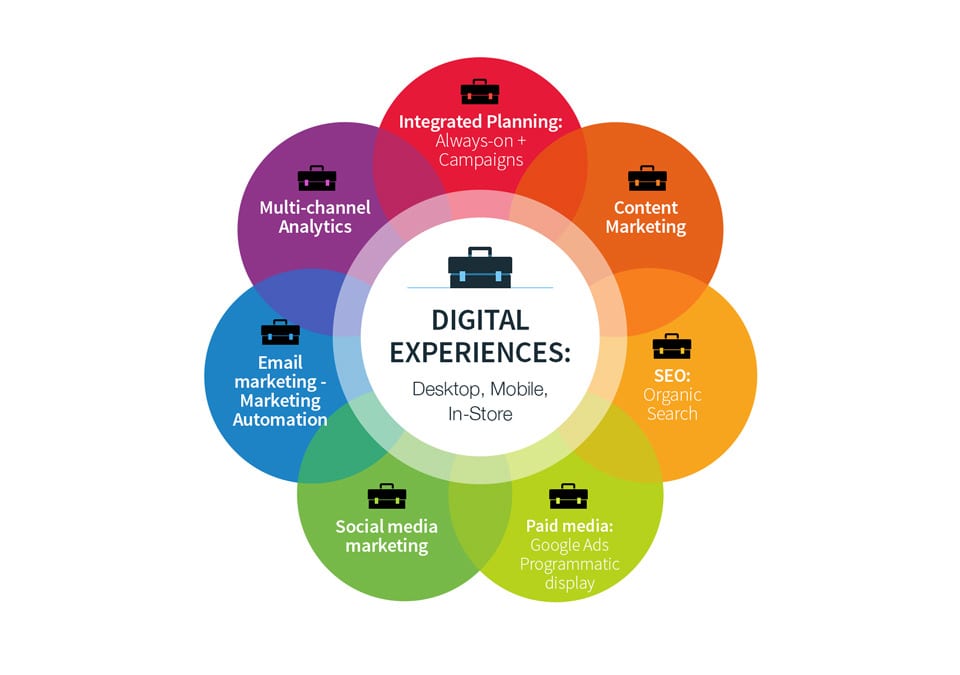
The core reason why small businesses fail to go online is the absence of a structured system.
They treat:
- Website
- Ads
- CRM
- Content
as separate tasks instead of a unified system.
The Smarter Way to Launch Your Business Online
Instead of managing everything separately, businesses should adopt an all-in-one approach.
Solutions like Business Launchpad by Digistrive Media provide:
- Website development
- Ad campaign setup
- CRM integration
- AI chatbot
- SEO content
All delivered within a few days, reducing complexity and cost.
👉 If you want to launch your business online quickly, explore:
https://digistrivemedia.com/business-launchpad-landing.php
Conclusion
Understanding why small businesses fail to go online helps you avoid the same mistakes.
The key issues include:
- Lack of clarity
- Poor execution
- No integrated system
To succeed:
- Focus on systems, not tools
- Launch quickly
- Optimize continuously
In 2026, businesses that act fast and build smart systems will dominate online.