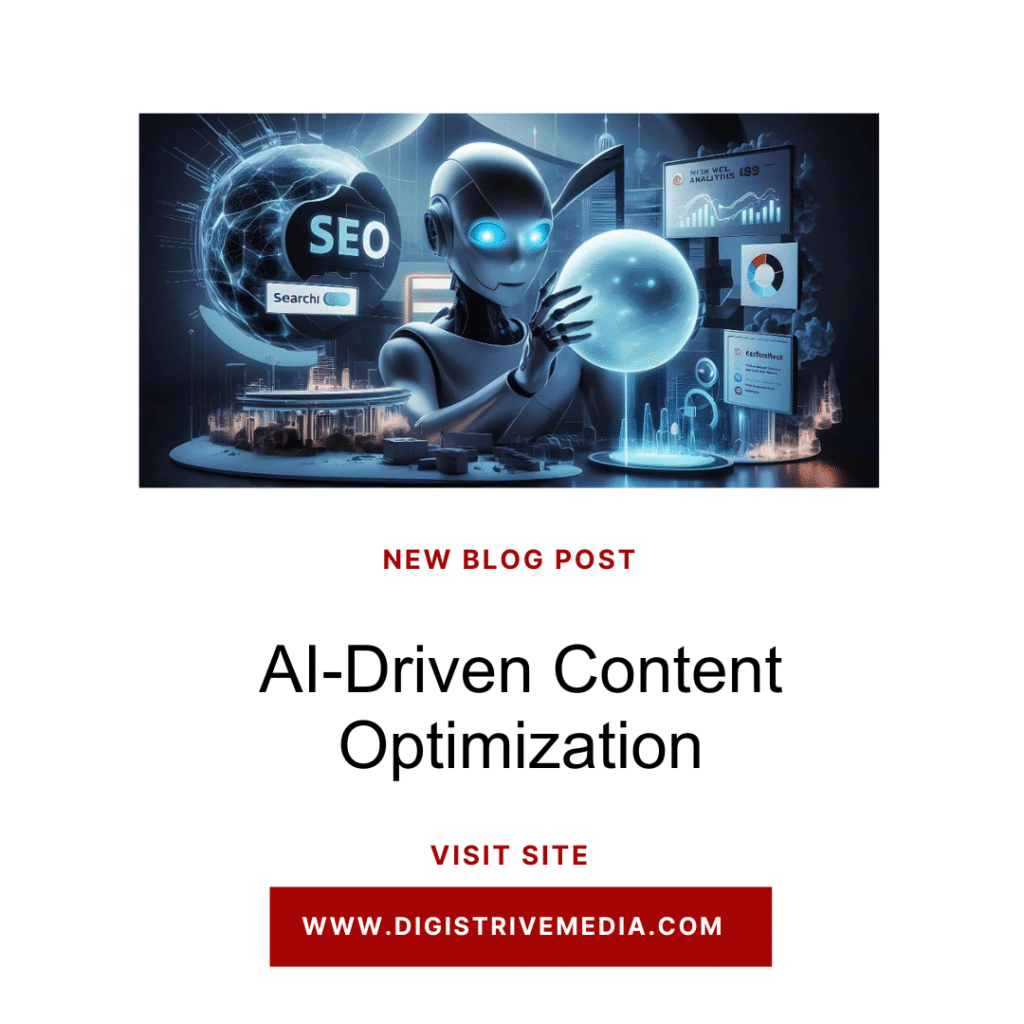
AI-Driven Content Optimization: How Artificial Intelligence Is Revolutionizing Digital Marketing
In the modern digital world, content is more than just words on a page — it’s the bridge between brands and their audiences. But as competition intensifies and attention spans shrink, creating content that truly stands out has become a challenge. This is where AI-driven content optimization steps in — a game-changing approach that uses artificial intelligence to make content smarter, more targeted, and more impactful.
What Is AI-Driven Content Optimization?
AI-driven content optimization refers to the use of artificial intelligence and machine learning to improve the quality, performance, and reach of digital content. Instead of relying solely on human intuition or manual SEO research, AI analyzes massive amounts of data — from search trends and engagement metrics to competitor performance — and recommends the most effective ways to structure, write, and distribute content.
In simple terms, AI helps marketers answer key questions:
- What topics are trending in my niche?
- Which keywords or phrases will attract the right audience?
- How can I make my content more engaging, readable, and persuasive?
By leveraging these insights, businesses can ensure that every piece of content performs to its fullest potential.
How AI Enhances Content Optimization
AI-driven tools work across various stages of the content lifecycle — from ideation and creation to optimization and analysis. Here’s how:
1. Smart Keyword and Topic Research
AI tools like MarketMuse, Clearscope, and Surfer SEO analyze search intent and competitor content to identify which keywords and topics are most likely to drive organic traffic. They help creators understand not just what people are searching for, but why — aligning content more closely with user intent.
. Enhanced Content Quality and Readability
Natural Language Processing (NLP) algorithms evaluate the tone, structure, and complexity of your writing. They can suggest improvements in sentence flow, readability, and emotional tone to make content more engaging and aligned with your brand voice. This ensures that your message connects with both humans and search engines.
3. Real-Time SEO Optimization
Instead of manually checking for keyword density or meta tag accuracy, AI tools automatically provide real-time SEO guidance. They highlight opportunities to include secondary keywords, optimize headings, and improve meta descriptions — all of which increase visibility and ranking potential.
4. Personalization at Scale
AI allows businesses to deliver tailored content experiences to different audience segments. By analyzing user behavior, AI systems can automatically adjust messaging, recommend related articles, or display different CTAs based on the reader’s preferences. This level of personalization was once impossible to achieve at scale.
5. Performance Tracking and Continuous Improvement
After publishing, AI continues to monitor content performance. It identifies what’s working and what’s not — recommending updates, new formats, or keyword tweaks. This data-driven approach ensures content stays relevant long after it goes live.
Benefits of AI-Driven Content Optimization
- Increased Efficiency:
AI automates time-consuming tasks such as keyword analysis, competitor research, and SEO audits, freeing up creative teams to focus on storytelling and strategy. - Data-Backed Decision Making:
Every optimization suggestion is backed by real data, removing guesswork and helping marketers make smarter, faster decisions. - Improved Content Performance:
Optimized content performs better — it attracts more readers, keeps them engaged longer, and drives higher conversion rates. - Enhanced User Experience:
AI ensures content matches the user’s intent and interests, providing a smoother and more relevant browsing experience. - Competitive Advantage:
In industries where everyone is producing content, AI gives brands the analytical edge to outperform competitors.
Real-World Applications
Many leading brands have already embraced AI-driven content optimization. For example, e-commerce companies use AI to generate and refine product descriptions based on customer behavior data. Media outlets use predictive analytics to determine which topics will trend next, allowing them to publish ahead of competitors. Even B2B marketers use AI tools to adapt long-form blogs into personalized snippets for specific audience segments.
The Future of AI in Content Marketing
As generative AI continues to evolve, we’re entering an era where machines won’t just optimize content — they’ll help create it. Platforms powered by large language models (like GPT-based systems) can generate high-quality drafts, suggest visuals, and even predict how well a piece of content will perform before it’s published.
However, it’s important to note that while AI can handle the data and structure, the human element remains essential. The creativity, empathy, and storytelling that resonate with readers can’t be replicated by algorithms alone. The best results come from combining human creativity with AI intelligence — a perfect balance of art and science.
Conclusion
AI-driven content optimization isn’t just a marketing trend; it’s a strategic advantage. By integrating AI into content strategies, businesses can produce higher-quality, more relevant, and more engaging content — all while saving time and resources.
As AI technology continues to evolve, brands that embrace these tools today will be the ones leading tomorrow’s digital conversations. After all, in the world of content, it’s not just about what you say — it’s about saying it smarter.