Introduction: Marketing That Speaks to the Heart, Not the Head
We like to believe customers buy with logic — comparing prices, reading reviews, and weighing options.
But in reality?
They buy with emotion first and justify with logic later.
As marketing legend Simon Sinek said:
“People don’t buy what you do — they buy why you do it.”
Think about it:
- Apple doesn’t sell phones — it sells creativity and identity.
- Nike doesn’t sell shoes — it sells motivation and self-belief.
- Coca-Cola doesn’t sell soda — it sells happiness and belonging.
That’s emotional marketing psychology in action — turning feelings into loyalty and transactions into trust.
💡 1. What Is Emotional Marketing?
Emotional marketing is the art and science of creating campaigns that connect with people’s emotions — such as joy, fear, nostalgia, pride, or empathy — to influence behavior.
It’s not about manipulation; it’s about resonance.
Emotional marketing psychology helps customers feel seen, understood, and inspired — creating a lasting emotional bond between brand and buyer.
✅ In short:
When people feel something, they act.
🧠 2. The Psychology Behind Emotions in Buying Decisions
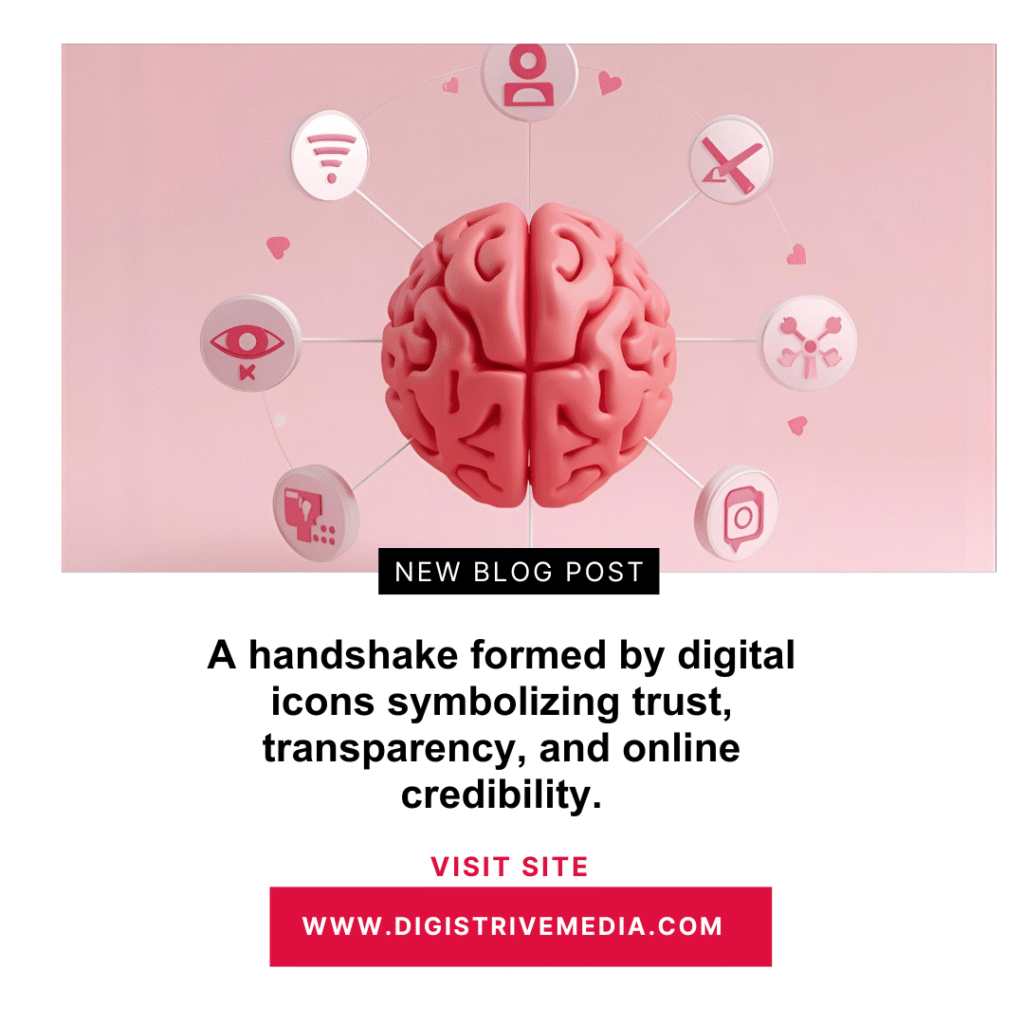
The human brain operates through three core systems:
| Brain Type | Function | Focus |
|---|---|---|
| Logical Brain (Neocortex) | Thinks, analyzes | Facts & data |
| Emotional Brain (Limbic System) | Feels, connects | Feelings & memories |
| Instinctive Brain (Reptilian) | Reacts instantly | Fight, flight, or purchase |
According to Harvard research, 90% of purchase decisions begin in the emotional brain.
That means when your ad, post, or product makes someone feel something, you’ve already won their attention — and often, their wallet.
💬 3. The Six Core Emotions That Drive Customer Action
Every successful campaign taps into at least one of these six emotions:
| Emotion | Psychological Trigger | Example |
|---|---|---|
| Joy | Builds happiness and brand association | Coca-Cola’s “Open Happiness” |
| Trust | Reduces risk and increases loyalty | Apple’s privacy-focused branding |
| Fear | Inspires quick action | “Don’t Miss Out — Offer Ends Tonight” |
| Anger | Sparks motivation for change | “Stop Wasting Money on Fake Followers” |
| Surprise | Grabs attention and curiosity | Spotify Wrapped’s personalized stories |
| Belonging | Fosters community and inclusion | Nike’s “You’re Not Alone” campaigns |
👉 Each emotion serves a role — joy attracts, trust retains, fear converts.
🎯 4. Emotional Marketing = Storytelling
Humans don’t remember features. They remember stories.
Storytelling is the heartbeat of emotional marketing psychology because it activates empathy — the emotion that builds connection and trust.
🧩 Example:
“A struggling artist used one viral post to turn her passion into a full-time business.”
That’s not an ad — it’s a transformation story.
📖 Pro Tip: Turn facts into feelings.
Instead of saying “Our software increases productivity”, say:
“Meet Rahul — a startup founder who saved 5 hours a day with one simple tool.”
Same message. Deeper emotional impact.
💞 5. Colors and Emotions — The Visual Side of Feeling
Color psychology is emotional language in visual form.
Each color triggers specific feelings — often before the brain even reads a word.
| Color | Emotion Evoked | Best Used For |
|---|---|---|
| 🔴 Red | Passion, excitement, urgency | Sales, limited offers |
| 🟡 Yellow | Happiness, optimism | Lifestyle or travel brands |
| 🔵 Blue | Calm, trust, security | Finance, tech, healthcare |
| 🟢 Green | Health, growth, balance | Wellness or sustainability |
| ⚫ Black | Power, elegance, sophistication | Fashion, luxury, automotive |
💡 Design psychology tip: Align your brand colors with the emotion you want to evoke — not just your aesthetic.
🔑 6. The Emotional Ladder: From Attention to Loyalty
To build lasting emotional connections, your marketing must climb this four-step ladder:
1️⃣ Attention — Grab attention with emotion-driven visuals or headlines.
2️⃣ Connection — Build empathy through stories your audience relates to.
3️⃣ Trust — Back emotion with credibility (proof, results, testimonials).
4️⃣ Loyalty — Reinforce belonging by making customers feel part of something bigger.
✨ The goal isn’t just to make a sale — it’s to make customers care.
📱 7. Real-World Examples of Emotional Marketing Done Right
| Brand | Campaign | Emotion Used | Why It Works |
|---|---|---|---|
| Apple | “Think Different” | Pride & Inspiration | Appeals to identity and creativity |
| Dove | “Real Beauty” | Self-acceptance | Promotes empathy and empowerment |
| “Year in Search” | Hope & Connection | Turns data into emotional storytelling | |
| Airbnb | “Belong Anywhere” | Belonging & Adventure | Emphasizes human connection |
Each brand ties its message to emotional storytelling, not product features — creating relationships, not just transactions.
💬 8. Emotional Triggers Across Digital Marketing Channels
| Channel | Emotional Focus | Example |
|---|---|---|
| Blogs | Empathy & Inspiration | “How One Story Changed a Brand Forever” |
| Social Media | Humor & Community | “Relatable posts that connect instantly” |
| Email Marketing | Trust & Exclusivity | “We picked this deal just for you” |
| Video Ads | Emotion & Storytelling | “Mini-docs that make you feel something” |
Each channel amplifies emotion differently — but all lead to one goal: connection that converts.
📈 9. Measuring the Impact of Emotional Marketing
Though feelings can’t be tracked directly, their effects can.
Watch these metrics to gauge emotional resonance:
✅ Engagement Rate: Shows emotional connection.
✅ Share Rate: Indicates relatability and social impact.
✅ Repeat Visits: Reflects loyalty.
✅ Conversion Rate: Proves emotional buy-in.
When emotions rise, analytics follow.
✅ Conclusion: Emotion Is the Engine of Digital Marketing
You can’t reason your way into someone’s heart — but you can connect emotionally and stay there.
So, when crafting your next campaign, ask:
“What do I want my audience to feel?”
Because people may forget what you said,
but they’ll never forget how your brand made them feel. ❤️
🔗 Internal Cluster Links
- The Psychology of Digital Marketing: Why People Click, Buy, and Share
- The Psychology of Click-Worthy Headlines — How Curiosity Triggers Attention
- The FOMO Effect: How Scarcity & Urgency Drive Conversions
- The Psychology of Trust in Digital Branding
📚 Quick Learning Recap
By understanding emotional marketing psychology, you’ve learned:
- Why people buy with emotion, not logic
- The six emotions that drive conversions
- How color, storytelling, and empathy build loyalty
- How brands like Apple and Dove create deep connections
Master this, and you’ll create content that doesn’t just get seen — it gets felt.
❓ Frequently Asked Questions (FAQs)
1. What is emotional marketing psychology?
It’s the study of how emotions influence buying behavior and how brands use feelings to build loyalty.
2. Why is emotional marketing effective?
Because emotions trigger the brain’s decision-making centers faster than logic, leading to stronger brand memory.
3. Which emotions drive the most sales?
Joy, trust, fear, belonging, and inspiration are the strongest emotional motivators.
4. How can I add emotion to my marketing?
Use storytelling, color psychology, real people, and empathetic language in your campaigns.
5. How can I measure emotional engagement?
Track engagement rate, shares, repeat visits, and conversion rate — emotional resonance drives these metrics.
6. Is emotional marketing only for big brands?
No — any brand can use emotion authentically to connect with its audience, regardless of size.
External Source:
For more insights, visit HubSpot’s Guide to Emotional Marketing