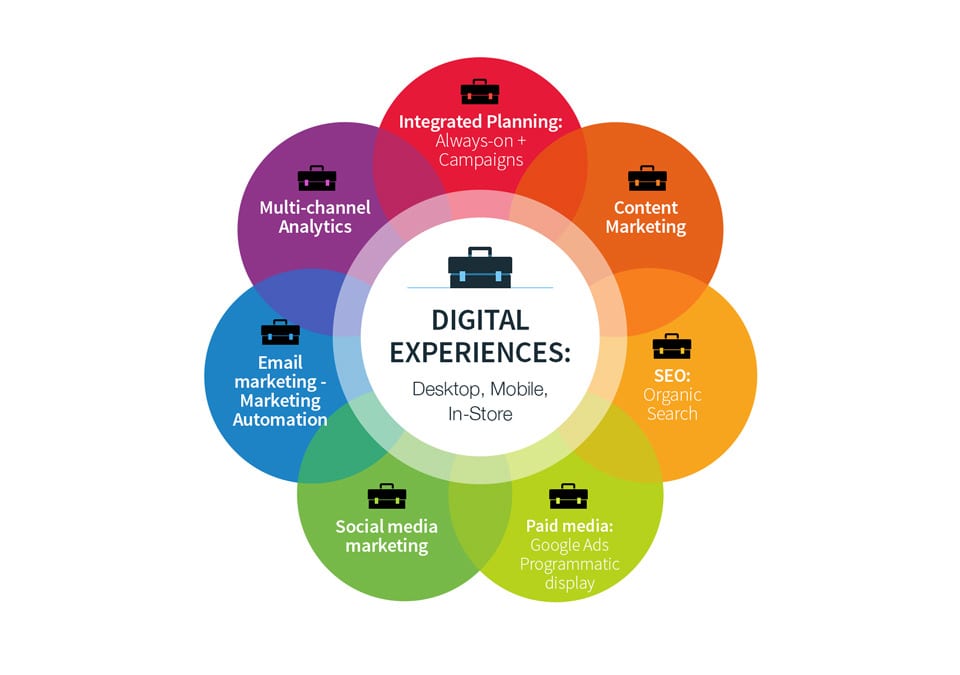
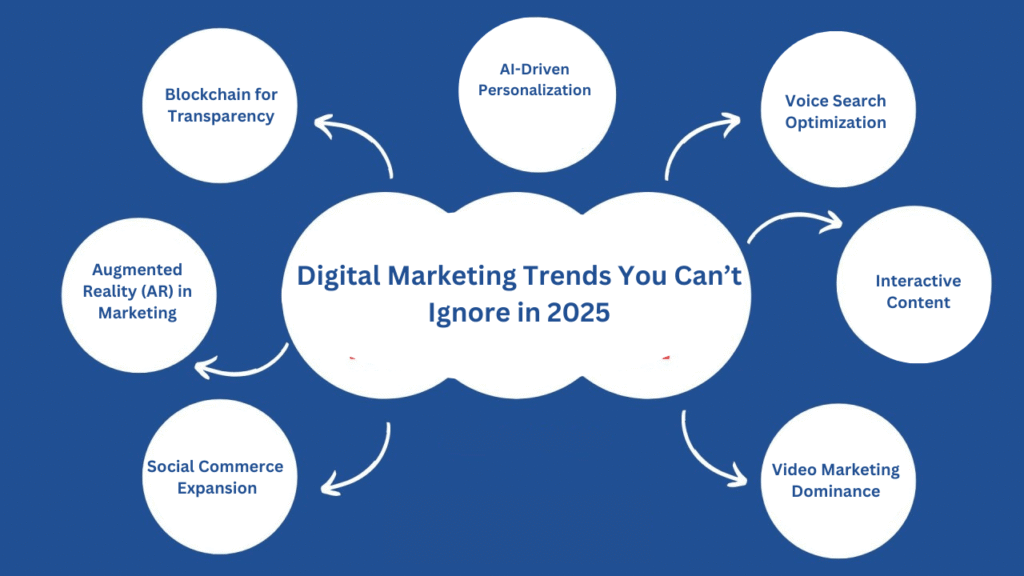
Behind every like, share, and purchase is a human emotion. Digital marketing isn’t just about algorithms and analytics — it’s about understanding how people think and feel this is called the psychology of digital marketing.
Every scroll, click, and swipe is a small decision driven by psychology. If you understand what makes people take action, you can design marketing campaigns that not only attract attention — but actually influence behavior.
In this blog, we’ll dive into the key psychological principles behind successful digital marketing — the same ones that brands like Nike, Apple, and Netflix use daily to make their audiences act.
🎯 1. The Foundation: What Is the Psychology of Digital Marketing?
The psychology of digital marketing is the study of how human thoughts, feelings, and behaviors affect online decision-making.
It combines:
- Behavioral psychology → why people act in certain ways online
- Cognitive psychology → how people process information
- Emotional psychology → how feelings influence buying
When you learn to use these insights, you stop guessing what works — and start creating marketing that connects.
Example:
When you see a “Only 2 left in stock!” banner, your brain reacts with urgency and scarcity. That’s not random — that’s psychology at work.
💓 2. Emotional Triggers — Marketing That Makes People Feel Something
Humans make emotional decisions before rational ones.
People justify purchases with logic, but they decide based on emotion.
Here are the six most powerful emotional triggers in marketing:
| Emotion | Marketing Example | Effect |
|---|---|---|
| Trust | Testimonials, user reviews | Builds confidence |
| Fear | “Don’t miss out!” | Creates urgency |
| Desire | Luxury branding, aspirational ads | Drives motivation |
| Joy | Humorous content, positive visuals | Increases shares |
| Belonging | Community-based marketing | Builds loyalty |
| Curiosity | Teaser campaigns, clickbait | Drives engagement |
Pro Tip:
Before launching a campaign, ask: “What emotion am I trying to make people feel?”
Emotion drives clicks — not features.
🧠 3. The Dopamine Effect — Why Social Media Feels Addictive
Every time someone gets a like, comment, or new follower, their brain releases dopamine — the “feel-good” chemical.
Social platforms are designed to trigger this reward loop. As a marketer, you can ethically leverage it by:
- Using micro-interactions (reactions, polls, emojis)
- Sharing reward-based content (quizzes, giveaways)
- Creating predictable posting schedules (so users anticipate your content)
The more consistently your brand triggers positive emotion, the more memorable and addictive it becomes.
🎨 4. Visual Psychology — Design That Speaks Without Words
Before people read your copy, they see your visuals.
Design choices directly influence user trust and mood.
Here’s how colors and visuals affect emotions:
| Color | Emotion | Best Used For |
|---|---|---|
| Blue | Trust, calmness | Finance, tech, corporate brands |
| Red | Urgency, excitement | Sales, food, entertainment |
| Green | Growth, peace | Health, eco-friendly brands |
| Yellow | Optimism, energy | Youth-focused brands |
| Black | Luxury, elegance | Fashion, premium products |
Layout psychology tips:
✅ Use clear hierarchy — bold headings, white space, short paragraphs
✅ Show human faces — builds instant emotional connection
✅ Use color intentionally — one emotion = one dominant color
✍️ 5. The Power of Persuasive Copywriting
Words are invisible salespeople.
The best copy doesn’t just describe — it influences.
Use these proven psychological frameworks:
- AIDA → Attention → Interest → Desire → Action
- PAS → Problem → Agitate → Solution
- Social Proof → “Join 10,000 others who love this”
- Loss Aversion → “Don’t miss this opportunity!”
Example:
❌ “Sign up for our newsletter.”
✅ “Join 5,000 marketers getting weekly growth secrets.”
The difference? Emotion and perceived value.
🤝 6. Social Proof & Trust — The Brain’s Shortcut to Safety
Humans are social creatures.
When we see others doing something, we assume it’s safe or valuable — this is called social proof.
Ways to apply it:
- Highlight reviews and testimonials
- Showcase brand collaborations
- Display real customer photos
- Use trust badges (SSL, verified checkmarks)
People trust people more than brands.
When users see others trust you, their brain says: “Okay, this is safe. I can click.”
🧩 7. Cognitive Biases — How People Think Without Realizing It
Our brains use shortcuts (called biases) to make decisions faster.
Marketers can use them ethically to improve conversions.
Top 3 biases to understand:
- Anchoring Bias:
– People rely on the first number they see.
Example: Showing a product’s old price first makes the discount feel bigger. - Loss Aversion:
– People fear losing more than they enjoy gaining.
Example: “Don’t miss your bonus gift” converts better than “Get a bonus gift.” - The Bandwagon Effect:
– People follow what others are doing.
Example: “Over 1 million downloads” builds social confidence.
📖 8. Storytelling — The Heartbeat of Marketing Psychology
Storytelling creates empathy and memory.
When people see themselves in your story, they emotionally connect.
Structure your marketing story as:
- The Hero (your customer)
- The Problem (their pain point)
- The Guide (your brand)
- The Transformation (your solution)
This emotional arc turns your audience from passive viewers to loyal fans.
People forget ads, but they remember stories.
🚀 9. Applying Psychology Across Digital Channels
| Channel | How to Apply Psychology |
|---|---|
| Social Media | Use dopamine loops, emotional captions, and consistent posting. |
| Email Marketing | Personalization + curiosity-driven subject lines. |
| Websites/Landing Pages | Color psychology, storytelling, trust badges. |
| Ads | AIDA copywriting + scarcity triggers + clear visuals. |
| Content Marketing | Build emotional journeys, not just information. |
The key is consistency — every platform should trigger the same emotion in your audience.
🌟 10. Future of Marketing Psychology — Human Meets AI
As AI-generated content rises, brands that feel human will win.
In the future, marketing psychology won’t just be about selling — it’ll be about connection, empathy, and personalization.
AI will handle automation.
But emotion, creativity, and storytelling will always stay human.
That’s your real competitive advantage.
✅ Conclusion: Marketing Is Not About Selling, It’s About Understanding People
At its core, digital marketing is not about keywords or clicks — it’s about understanding humans.
When you combine data with psychology, you can:
- Craft content that emotionally connects
- Design visuals that inspire trust
- Write words that convert silently
- Build a brand people actually feel attached to
So next time you plan a campaign, don’t just ask:
“What do I want to sell?”
Ask instead:
“What emotion do I want to create?”That’s where real digital marketing power begins.