In today’s hyper-connected world, digital marketing isn’t just an option — it’s the backbone of every successful business strategy. From startups to global enterprises, every brand is competing for attention in the same digital space. Whether it’s through social media, search engines, or email campaigns, digital marketing determines who gets seen, who gets remembered, and ultimately — who wins.
What Is Digital Marketing?
Digital marketing is the promotion of products, services, or brands using digital channels like the internet, mobile phones, search engines, social media, and email. Unlike traditional marketing — which relies on physical methods like print ads or billboards — digital marketing allows brands to connect directly with their audience in real time.
In simple terms, it’s about reaching the right people, at the right time, with the right message.
Why Digital Marketing Matters Today
The world has gone digital — and so have customers. Think about it: how often do you check your phone, search for a product online, or read reviews before making a purchase? That’s the reality for billions of users daily. Businesses that don’t adapt to this digital shift risk being invisible.
Here’s why digital marketing is more important than ever:
- Global Reach: A small business in India can reach customers in New York or London with just a few clicks.
- Cost-Effective: Compared to traditional advertising, digital campaigns can be more affordable while delivering higher ROI.
- Measurable Results: With analytics tools, you can track performance, audience behavior, and conversions in real time.
- Targeted Marketing: Platforms like Google Ads and Meta Ads let you target specific demographics, interests, and locations.
- Builds Relationships: Through social media and content marketing, brands can engage and communicate directly with their customers.
The Core Pillars of Digital Marketing
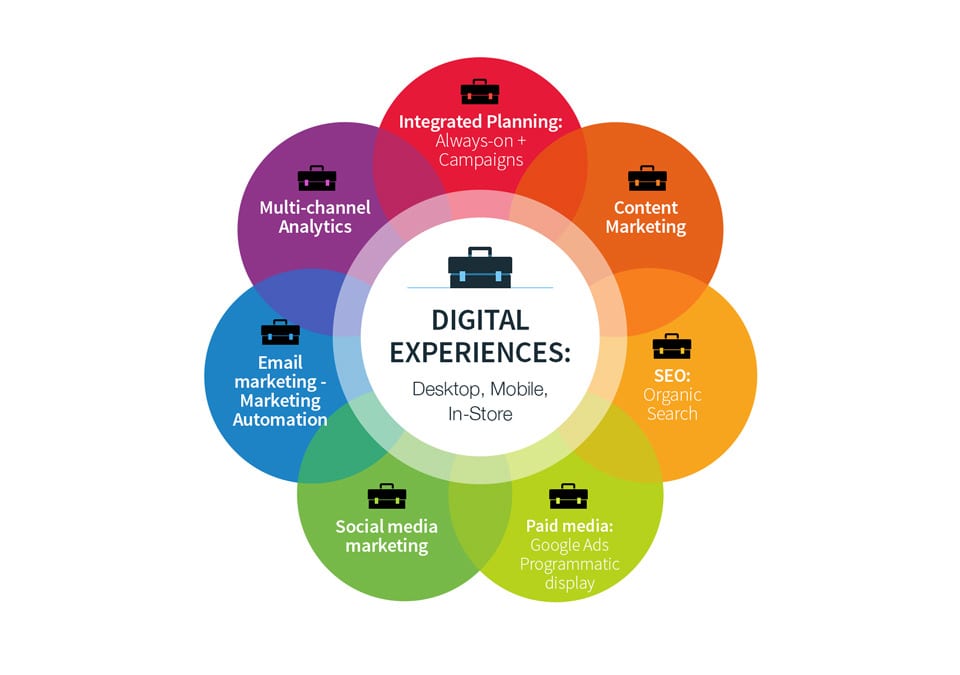
Digital marketing is made up of several key components — each playing a vital role in building an online presence.
1. Search Engine Optimization (SEO)
SEO is the art and science of ranking higher on Google. It’s about understanding what your audience is searching for and optimizing your content accordingly. A well-optimized website attracts organic traffic — meaning people find you naturally without paid ads.
Key elements include keyword research, on-page SEO (titles, headings, meta tags), off-page SEO (backlinks), and technical SEO (site speed, mobile optimization).
2. Social Media Marketing (SMM)
Platforms like Instagram, Facebook, LinkedIn, and TikTok have become digital marketplaces. Brands use them to showcase products, share stories, and build loyal communities. The secret lies in creating authentic, shareable content that resonates emotionally with followers.
3. Pay-Per-Click Advertising (PPC)
Want faster results? PPC campaigns like Google Ads or Meta Ads allow you to display targeted ads to users searching for specific keywords. You only pay when someone clicks — making it a powerful, data-driven way to generate leads and sales quickly.
4. Content Marketing
Content is the heart of digital marketing. From blogs and videos to infographics and podcasts, content helps educate, entertain, and inspire your audience. A strong content strategy builds brand authority and boosts SEO.
5. Email Marketing
Despite being one of the oldest channels, email marketing remains one of the most effective. Personalized newsletters, product updates, and offers help nurture long-term relationships and encourage repeat business.
6. Analytics and Data Insights
Every digital action leaves data behind — clicks, likes, time spent on a page, conversions, etc. Tools like Google Analytics help marketers analyze this data to make smarter decisions and refine campaigns for better performance.
The Rise of AI in Digital Marketing
Artificial Intelligence (AI) is changing how brands approach marketing. From AI-driven chatbots providing instant support to predictive analytics that forecast buying behavior, automation is making marketing smarter and faster.
AI tools can now create personalized ad copies, design creatives, and even write optimized blog posts. However, while technology enhances efficiency, the human touch — empathy, creativity, and storytelling — remains irreplaceable.
Challenges in Digital Marketing
While the opportunities are vast, the digital world is also crowded and competitive. Some challenges marketers face include:
- Keeping up with ever-changing algorithms.
- Ad fatigue due to too much online content.
- Maintaining user trust and data privacy.
- Creating authentic engagement in a noisy space.
To succeed, brands must combine strategy, creativity, and consistency.
The Future of Digital Marketing
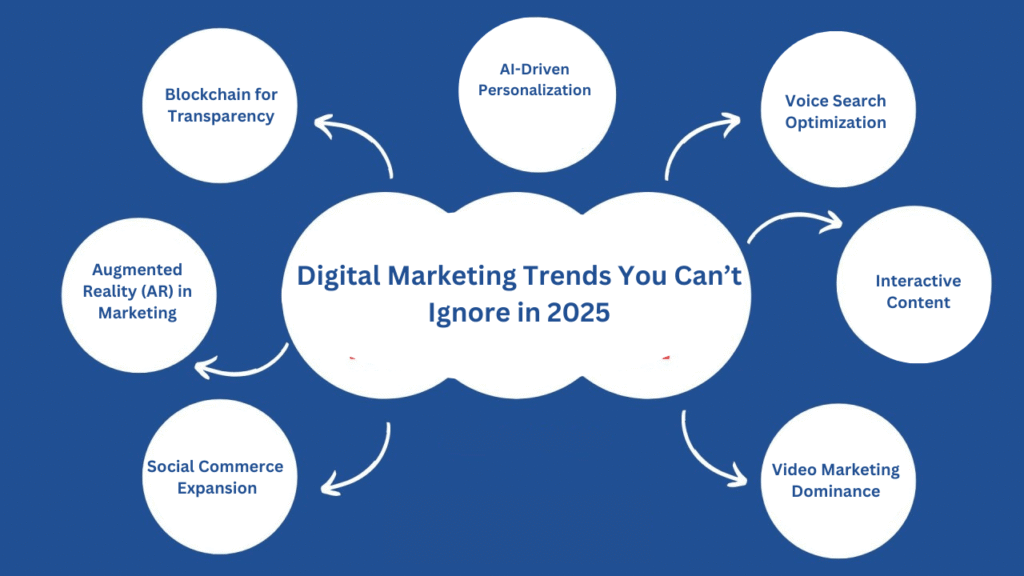
The next era of digital marketing will be more personalized, visual, and interactive. Voice search, augmented reality (AR), and influencer partnerships are reshaping how brands connect with consumers. The focus will shift from selling products to building experiences.
Businesses that embrace innovation, invest in storytelling, and prioritize customer experience will lead the digital race.
Final Thoughts
Digital marketing is no longer just about online visibility — it’s about building meaningful relationships with your audience. Whether you’re a small business owner, freelancer, or corporate marketer, mastering digital tools and strategies can help you grow, adapt, and thrive in the modern economy.
In a world where attention is the new currency, digital marketing is the key to earning it.