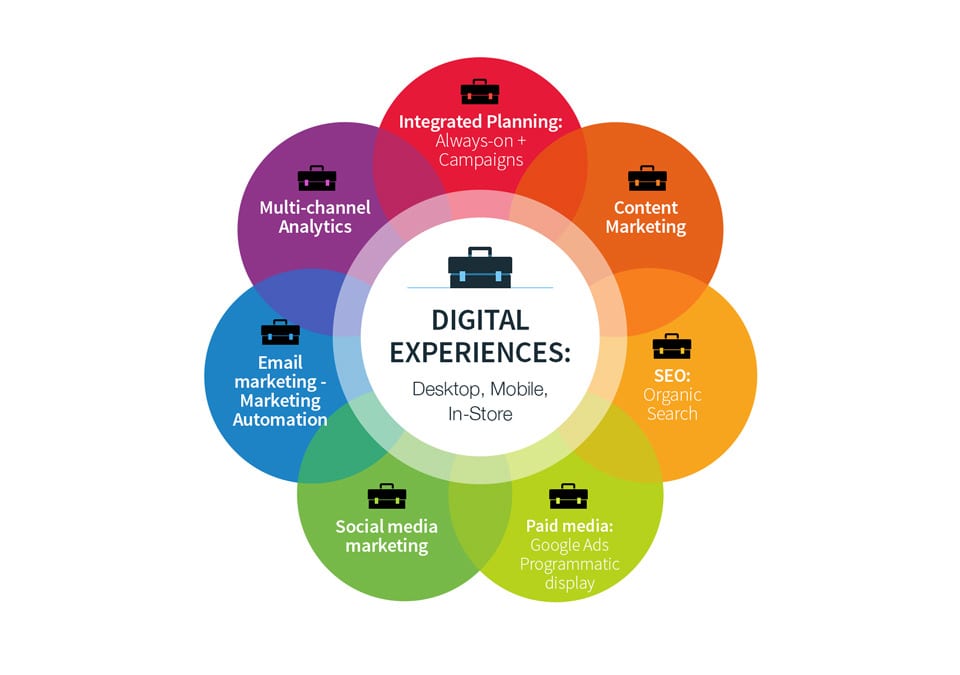
In today’s highly competitive world, every company needs a strong online presence to survive and grow. Small companies especially face intense competition because large brands often dominate traditional advertising platforms. However, the rise of online platforms has created equal opportunities for everyone. Now, even a startup or local company can reach thousands of potential customers with the right strategy. This shift has made Digital Marketing Small Business one of the most powerful tools for growth.
Unlike traditional marketing, Digital Marketing Small Business to target the right audience, measure performance, and improve campaigns instantly. Moreover, it helps small companies build trust, attract customers, and increase revenue without spending huge amounts of money. As consumer behavior continues to change, businesses that ignore digital platforms may struggle to remain visible. Therefore, adopting modern marketing strategies has become essential rather than optional.
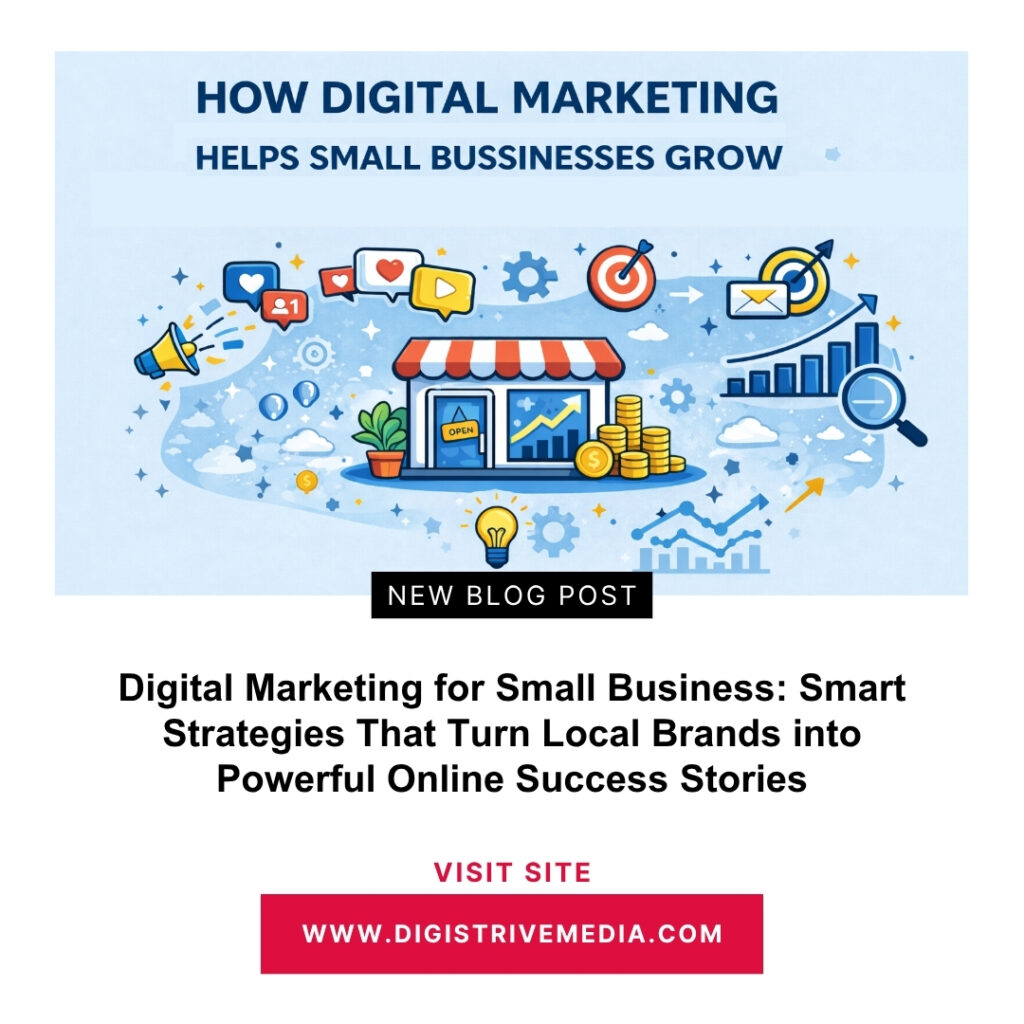
Furthermore, digital marketing offers flexibility and scalability. A small business owner can start with a limited budget and gradually expand campaigns as the business grows. Whether the goal involves increasing website traffic, generating leads, improving brand awareness, or boosting sales, digital strategies provide measurable results. Because of this, many local brands now focus heavily on social media, SEO, content creation, and paid advertising.
This blog explores powerful strategies that help small businesses succeed online. It explains how digital marketing improves visibility, increases customer engagement, and generates higher returns. Each section covers practical techniques that businesses can apply to build a strong online presence and achieve continuous growth.
Why Digital Marketing Matters More Than Ever for Small Businesses
The modern customer spends significant time online every day. People use search engines, social media platforms, emails, and websites to discover products and services. Therefore, companies that establish a strong digital presence can reach customers more effectively. Digital marketing for small business helps brands stay visible where customers spend most of their time.
Traditional advertising methods often require huge investments. Television commercials, newspaper advertisements, and billboards may not fit the budget of small businesses. In contrast, digital marketing provides cost-effective solutions with better targeting capabilities. Businesses can reach a specific audience based on age, interests, location, and behavior. Consequently, every marketing rupee delivers better results.
Moreover, Digital Marketing Small Business compete with larger companies. A well-optimized website, engaging social media page, or valuable blog can attract customers regardless of company size. Through creativity and consistency, smaller brands can build authority in their niche and develop loyal customer relationships.
Another important advantage involves real-time tracking and analytics. Business owners can monitor website traffic, ad performance, conversion rates, and customer engagement instantly. As a result, companies can improve campaigns continuously and avoid wasting money on ineffective strategies.
Building a Professional Website That Converts Visitors into Customers
A website acts as the digital face of a business. Customers often judge a company based on website appearance, functionality, and content quality. Therefore, creating a professional website should become a priority for every business owner. A strong website supports every aspect of digital marketing for small business.
First impressions matter significantly. Visitors expect websites to load quickly, look attractive, and provide easy navigation. If users experience confusion or slow loading times, they may leave immediately. Consequently, businesses must focus on user-friendly design and responsive layouts that work smoothly on mobile devices.
Additionally, a website should clearly explain products and services. Customers prefer simple language, organized content, and easy access to important information. Including contact details, service descriptions, testimonials, and clear calls to action improves customer trust and increases conversions.
Search engine optimization also plays a vital role in website performance. Businesses should optimize page titles, keywords, images, and content structure to improve search rankings. Higher rankings increase visibility and attract more organic traffic from potential customers searching online.
Security and speed also influence customer experience. Secure websites with SSL certificates build trust and protect customer data. Meanwhile, faster loading speeds reduce bounce rates and improve engagement. Therefore, businesses must invest in proper hosting and technical maintenance.
A professional website forms the foundation of successful digital marketing for small business because it supports branding, lead generation, customer communication, and online sales.
Search Engine Optimization Helps Businesses Gain Long-Term Visibility
Search engine optimization remains one of the most effective digital marketing strategies. When customers search for products or services online, businesses appearing on the first page of search results receive the most attention. Therefore, SEO becomes critical for long-term online growth.
Digital marketing for small business heavily depends on visibility. Without proper SEO, even the best products may remain unnoticed. Businesses must optimize their websites using relevant keywords, quality content, and technical improvements to improve rankings.
Keyword research serves as the foundation of SEO. Companies should identify phrases customers commonly search online. Using those keywords naturally throughout website content increases search engine relevance. However, businesses must avoid excessive keyword usage because search engines prioritize natural readability.
Content quality also affects rankings. Informative blogs, service pages, FAQs, and educational articles help websites gain authority. Search engines prefer content that answers user questions and provides genuine value. Therefore, businesses should consistently publish useful and engaging information.
Additionally, local SEO helps businesses attract nearby customers. Optimizing Google Business Profiles, collecting customer reviews, and adding local keywords improve visibility in local searches. Small businesses especially benefit from local SEO because nearby customers often search for immediate services.
Technical SEO also improves performance. Fast loading speeds, mobile responsiveness, secure connections, and clean website structures help search engines understand and rank websites effectively. Consequently, businesses must maintain technical website quality regularly.
Backlinks further strengthen SEO efforts. When reputable websites link to a business website, search engines view the business as trustworthy and authoritative. Therefore, businesses should focus on creating shareable content and building professional relationships online.
Overall, SEO delivers long-lasting results and supports sustainable business growth through improved visibility and consistent organic traffic.
Social Media Marketing Creates Strong Customer Relationships
Social media platforms have transformed how businesses communicate with customers. Platforms such as Instagram, Facebook, LinkedIn, and YouTube allow brands to engage directly with audiences. Therefore, social media has become an important part of digital marketing for small business.
Customers prefer businesses that communicate actively and authentically online. Through regular posts, stories, reels, and live sessions, businesses can build stronger relationships with their audience. Consistent engagement increases trust and encourages customer loyalty.
Moreover, social media helps businesses showcase personality and creativity. Companies can share behind-the-scenes content, customer success stories, product demonstrations, and educational tips. This variety keeps audiences interested and strengthens brand identity.
Paid social media advertising also offers excellent targeting opportunities. Businesses can reach users based on location, interests, age, and online behavior. Consequently, even small budgets can generate meaningful engagement and lead generation.
Consistency plays a major role in success. Businesses should maintain a content calendar and post regularly. Random posting often reduces audience engagement. Therefore, companies should focus on strategic planning and quality content creation.
Visual content performs especially well on social platforms. High-quality images, videos, infographics, and animations capture attention quickly. Additionally, interactive content such as polls and Q&A sessions encourages customer participation.
Another important advantage involves customer support. Social media allows businesses to answer questions, resolve concerns, and receive feedback instantly. This responsiveness improves customer satisfaction and strengthens brand reputation.
By combining creativity, consistency, and engagement, social media marketing helps small businesses increase visibility and establish meaningful customer connections.
Content Marketing Builds Trust and Industry Authority
Customers appreciate businesses that provide valuable information rather than constant sales messages. Content marketing focuses on educating, informing, and helping audiences. Consequently, it plays a major role in digital marketing for small business.
Blogs remain one of the most effective content marketing tools. Businesses can answer customer questions, explain industry trends, and provide useful tips through informative articles. Valuable content attracts website traffic while improving SEO performance.
Video marketing has also become extremely powerful. Short videos, tutorials, demonstrations, and customer testimonials generate high engagement across platforms. Since video content feels more personal and interactive, customers often trust businesses more after watching videos.
Additionally, email newsletters support customer retention. Businesses can share updates, offers, educational content, and personalized recommendations directly with subscribers. Regular communication keeps customers engaged and encourages repeat business.
Infographics and downloadable resources further enhance authority. Guides, checklists, eBooks, and industry reports position businesses as experts in their field. As a result, customers feel more confident purchasing products or services.
Consistency remains essential in content marketing. Businesses should focus on long-term value rather than quick results. Over time, quality content builds credibility, improves search rankings, and increases customer trust.
Furthermore, storytelling creates emotional connections. Sharing business journeys, customer experiences, and success stories makes brands feel more relatable and authentic. This emotional connection often influences customer decisions significantly.
Content marketing supports every aspect of digital marketing for small business because it attracts audiences, builds authority, and strengthens customer relationships over time.
Email Marketing Continues to Deliver Excellent Returns
Despite the popularity of social media, email marketing remains highly effective. Businesses can communicate directly with customers and deliver personalized messages efficiently. Therefore, email campaigns continue playing an important role in digital marketing for small business.
Email marketing allows businesses to nurture customer relationships consistently. Welcome emails, promotional offers, educational newsletters, and follow-up campaigns keep audiences engaged. Personalized communication improves customer loyalty and increases conversion rates.
Segmentation improves campaign effectiveness further. Businesses can divide subscribers based on interests, purchase history, or behavior. Consequently, customers receive relevant content that matches their preferences.
Automation also saves time and improves consistency. Automated welcome sequences, abandoned cart reminders, and birthday offers help businesses maintain communication without manual effort. These automated campaigns often generate strong engagement and sales.
Subject lines significantly impact open rates. Businesses should create clear, compelling, and concise subject lines that encourage users to open emails. Additionally, mobile-friendly formatting improves readability across devices.
Moreover, businesses should focus on providing value instead of excessive promotions. Educational tips, industry insights, and useful resources keep subscribers interested and reduce unsubscribe rates.
Analytics help businesses measure performance effectively. Open rates, click-through rates, and conversions reveal what works best. Therefore, businesses can continuously improve campaigns based on customer behavior and feedback.
When used strategically, email marketing becomes a powerful tool for customer retention, relationship building, and long-term revenue generation.
Pay-Per-Click Advertising Generates Fast Results
While SEO delivers long-term growth, paid advertising provides immediate visibility. Pay-per-click advertising allows businesses to appear at the top of search results instantly. Consequently, PPC becomes an effective component of digital marketing for small business.
Google Ads remains one of the most popular PPC platforms. Businesses can target users actively searching for products or services. Since these users already show purchase intent, PPC campaigns often generate high-quality leads.
Social media advertising also supports business growth. Platforms such as Facebook and Instagram allow precise audience targeting. Businesses can promote products, events, services, and offers directly to relevant users.
Budget control provides another major advantage. Small businesses can start with limited spending and increase budgets gradually. Detailed analytics help businesses monitor campaign performance and optimize results continuously.
Landing pages significantly affect PPC success. Businesses should direct users to pages specifically designed for conversions. Clear messaging, strong calls to action, and user-friendly layouts improve campaign effectiveness.
Keyword selection also matters greatly. Businesses should target high-intent keywords that align with customer needs. Negative keywords help avoid irrelevant clicks and reduce wasted spending.
Retargeting campaigns further improve conversions. Businesses can display ads to users who previously visited their website but did not complete purchases. These reminder campaigns often encourage customers to return and convert.
Overall, PPC advertising delivers quick visibility, measurable results, and flexible budget management for growing businesses.
Local SEO Helps Small Businesses Attract Nearby Customers
Many customers search for nearby businesses online before making purchases. Therefore, local SEO has become essential for businesses targeting regional audiences. Digital marketing for small business becomes more effective when companies focus on local visibility.
Google Business Profile optimization remains extremely important. Accurate business information, contact details, operating hours, and customer reviews improve local search visibility significantly. Customers also trust businesses with positive reviews and active profiles.
Location-based keywords further strengthen local rankings. Businesses should include city names, nearby areas, and local search phrases naturally throughout website content. Consequently, search engines connect businesses with relevant local searches.
Customer reviews influence purchasing decisions heavily. Positive reviews improve credibility and encourage new customers to choose a business. Therefore, companies should actively encourage satisfied customers to share feedback online.
Additionally, local content helps attract regional audiences. Blogs about local events, community involvement, or regional topics improve relevance and engagement. This localized approach strengthens connections with nearby customers.
Mobile optimization also supports local searches. Many customers search for businesses using smartphones while traveling. Therefore, fast mobile-friendly websites improve user experience and increase conversions.
Local SEO provides small businesses with valuable opportunities to compete effectively within their community and attract highly targeted customers.
Online Reputation Management Strengthens Customer Trust
Customer trust strongly influences business success. Today, online reviews and social media comments affect brand perception significantly. Therefore, reputation management plays a critical role in digital marketing for small business.
Customers often read reviews before choosing products or services. Positive feedback increases confidence, while negative reviews may discourage potential buyers. Consequently, businesses should monitor online feedback regularly and respond professionally.
Responding to reviews demonstrates customer care. Thanking satisfied customers and addressing concerns respectfully improves brand image. Even negative situations can become opportunities to showcase professionalism and problem-solving abilities.
Transparency also strengthens trust. Businesses should communicate honestly about products, pricing, and services. Authentic communication creates stronger long-term relationships with customers.
Additionally, businesses should actively encourage happy customers to leave reviews. Positive testimonials build credibility and improve local SEO rankings. Video testimonials and case studies further enhance trustworthiness.
Social listening tools help businesses track brand mentions across platforms. Monitoring conversations allows companies to address issues quickly and understand customer opinions better.
Strong reputation management supports customer loyalty, brand credibility, and long-term business growth.
Mobile Marketing Reaches Customers Anytime and Anywhere
Smartphone usage continues increasing worldwide. Customers browse websites, shop online, and interact with brands using mobile devices daily. Therefore, mobile marketing has become essential for digital marketing for small business.
Mobile-friendly websites improve customer experience significantly. Responsive designs adapt smoothly to different screen sizes and reduce frustration. Businesses that ignore mobile optimization risk losing valuable customers.
SMS marketing also delivers strong engagement rates. Promotional offers, appointment reminders, and updates sent through text messages often receive immediate attention. However, businesses should avoid excessive messaging to maintain customer trust.
Mobile apps provide additional opportunities for customer engagement. Loyalty programs, personalized recommendations, and easy purchasing experiences improve customer retention and convenience.
Location-based marketing further enhances relevance. Businesses can send targeted offers to nearby customers using GPS technology. This approach increases foot traffic and encourages immediate action.
Short-form mobile videos also perform exceptionally well. Platforms such as Instagram Reels and YouTube Shorts allow businesses to capture attention quickly and creatively.
By prioritizing mobile experiences, businesses can improve accessibility, engagement, and customer satisfaction effectively.
Influencer Marketing Expands Brand Reach Quickly
Influencer marketing has become increasingly popular among businesses of all sizes. Collaborating with trusted creators helps brands reach targeted audiences authentically. Therefore, influencer partnerships support digital marketing for small business effectively.
Micro-influencers often provide excellent value for small businesses. These creators usually have loyal niche audiences with strong engagement rates. Consequently, businesses can achieve meaningful results without huge budgets.
Authenticity matters greatly in influencer marketing. Customers trust genuine recommendations more than traditional advertisements. Therefore, businesses should choose influencers whose values align naturally with their brand identity.
Collaborations can include product reviews, tutorials, giveaways, live sessions, or sponsored content. These partnerships increase visibility while creating relatable promotional material.
Tracking campaign performance remains important. Businesses should measure engagement, traffic, leads, and conversions to evaluate success effectively.
When executed strategically, influencer marketing helps businesses expand reach, increase trust, and attract new customers.
Analytics and Data Help Businesses Improve Continuously
Successful marketing depends on accurate data and informed decision-making. Analytics tools help businesses understand customer behavior and campaign performance. Therefore, data analysis forms a crucial part of digital marketing for small business.
Google Analytics provides valuable insights into website traffic, user behavior, and conversion rates. Businesses can identify popular pages, traffic sources, and customer interests effectively.
Social media analytics reveal engagement patterns, audience demographics, and content performance. Consequently, businesses can create more relevant and effective campaigns.
Email marketing platforms also provide detailed metrics. Open rates, click-through rates, and subscriber behavior help businesses improve communication strategies continuously.
Data-driven decisions reduce marketing waste and improve efficiency. Instead of relying on assumptions, businesses can optimize campaigns based on real customer behavior.
Continuous improvement remains essential because digital trends evolve constantly. Businesses that analyze performance regularly can adapt faster and maintain competitive advantages.
Video Marketing Captures Attention Faster Than Traditional Content
Video content dominates modern digital platforms because it captures attention quickly and communicates messages effectively. Therefore, video marketing has become a key element of digital marketing for small business.
Customers prefer watching videos over reading lengthy descriptions. Product demonstrations, tutorials, behind-the-scenes clips, and testimonials create stronger engagement and emotional connections.
Short-form videos perform especially well on social media. Creative reels and shorts often reach wider audiences through platform algorithms. Consequently, businesses can increase visibility rapidly with engaging video content.
Live streaming also improves audience interaction. Businesses can answer questions, showcase products, and communicate directly with viewers in real time. This interactive experience strengthens customer relationships.
Additionally, videos improve website engagement and SEO performance. Visitors often spend more time on pages containing videos, which positively affects search rankings.
Consistent branding within videos strengthens recognition and professionalism. Businesses should maintain clear messaging, quality visuals, and authentic communication throughout content creation.
Video marketing provides businesses with powerful opportunities to educate, entertain, and convert audiences effectively.
The Future of Digital Marketing for Small Business
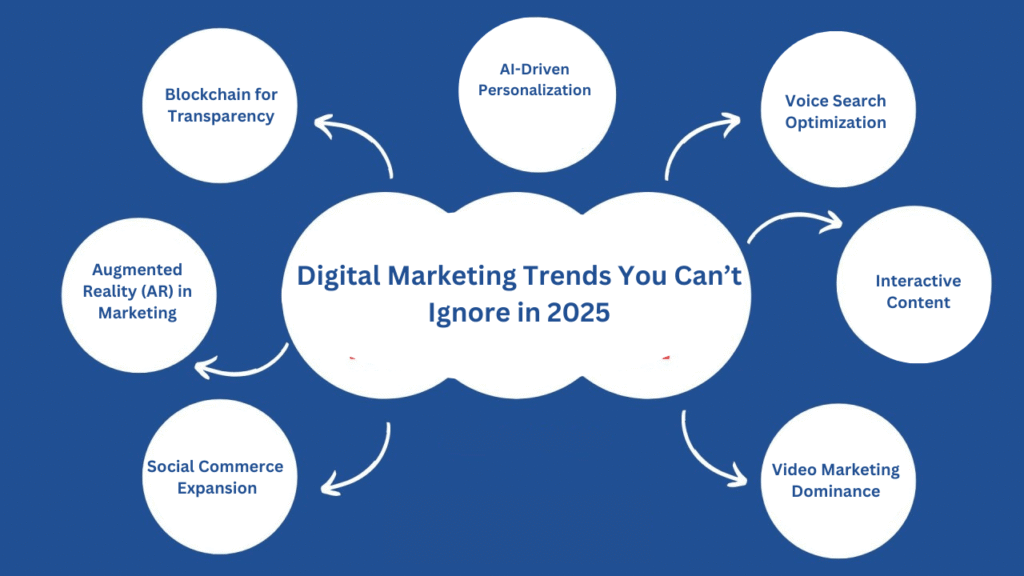
Technology continues evolving rapidly, and businesses must adapt to changing trends. Artificial intelligence, automation, voice search, and personalized experiences are shaping the future of marketing. Therefore, companies should remain flexible and innovative.
Customers increasingly expect personalized experiences. Businesses that understand customer preferences and deliver relevant content will gain stronger loyalty and engagement.
Automation tools also simplify marketing processes. Scheduling posts, automating emails, and analyzing data become more efficient with advanced technologies. Consequently, businesses can focus more on strategy and creativity.
Voice search optimization is becoming increasingly important as smart devices grow in popularity. Businesses should optimize content for conversational search queries to remain visible.
Furthermore, customer experience will continue influencing business success. Companies that prioritize convenience, responsiveness, and authenticity will build stronger relationships and long-term growth.
The future of digital marketing for small business offers enormous opportunities for brands willing to adapt, innovate, and maintain customer-focused strategies.
Conclusion
Digital marketing has completely transformed how businesses connect with customers, build brand awareness, and increase sales. For small businesses, online marketing creates opportunities that were once available only to large corporations. Through SEO, social media, content marketing, email campaigns, PPC advertising, and mobile optimization, businesses can reach targeted audiences more effectively than ever before.
Moreover, digital marketing provides measurable results, cost-effective strategies, and long-term growth opportunities. Businesses that consistently deliver valuable content, maintain strong customer relationships, and adapt to changing trends can build lasting success online. While competition continues increasing, the right strategies help businesses stand out and attract loyal customers.
Additionally, digital marketing supports flexibility and continuous improvement. Companies can test strategies, analyze performance, and optimize campaigns regularly. This adaptability allows businesses to respond quickly to customer needs and market changes.
As technology continues evolving, businesses that embrace innovation and customer-focused marketing will achieve sustainable growth. Therefore, investing in Digital Marketing Small Business remains one of the smartest decisions for future success.
Visit: Digistrive Media
Contact: +91 8147327494 / +91 8050732515