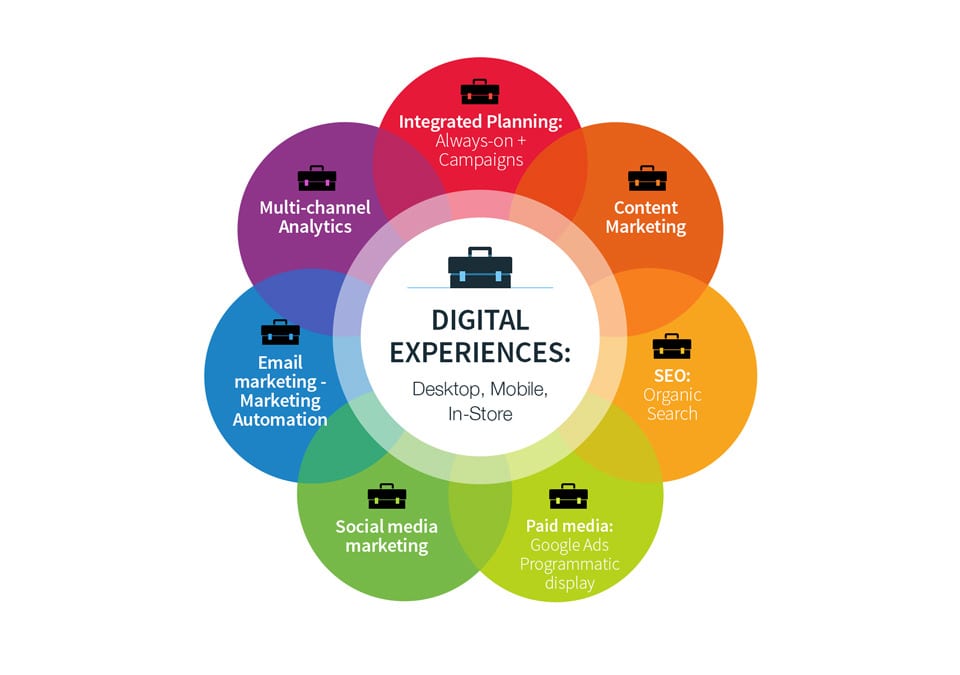
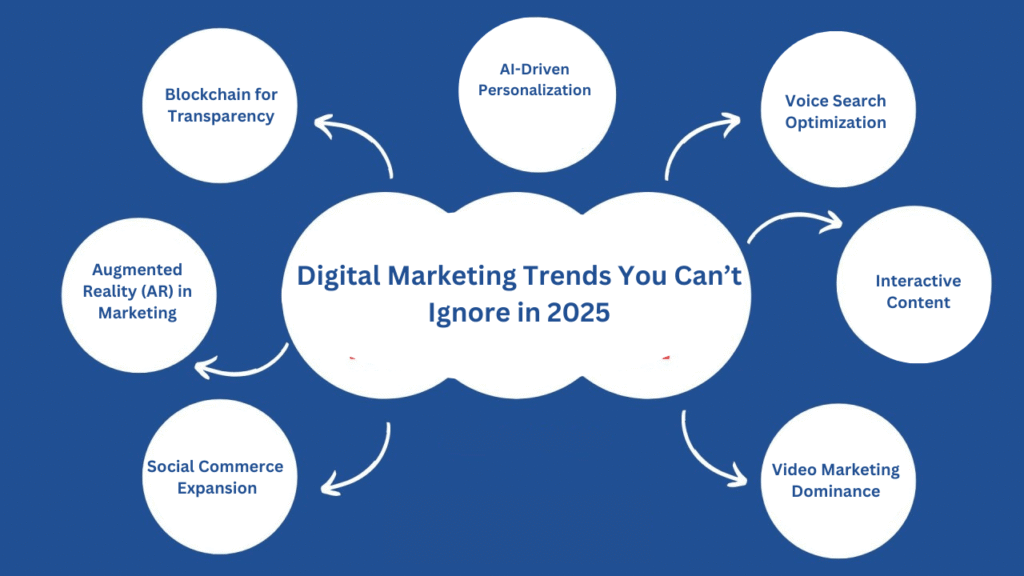
Businesses today compete in a fast-moving digital world where attention changes within seconds. Because of this, companies need a marketing strategy that delivers instant visibility, targeted traffic, and measurable results. This is where Google Ads becomes one of the most powerful digital marketing tools for lead generation. Whether a business wants more phone calls, website inquiries, form submissions, or direct sales, Google Ads helps brands connect with potential customers at the exact moment they search online.
Many companies invest heavily in marketing campaigns but fail to attract qualified leads. However, Google Ads changes the process completely because it targets users based on their search intent. Instead of promoting services randomly, businesses can show ads only to people who actively search for related products or services. As a result, the chances of conversion increase significantly. Moreover, companies can control budgets, target locations, measure performance, and optimize campaigns for better returns.
Today, startups, local businesses, educational institutes, healthcare providers, real estate companies, and eCommerce brands rely on Google Ads to generate consistent inquiries and revenue. Furthermore, businesses no longer need to wait months for visibility because paid advertising provides immediate exposure. With the right strategy, Google Ads can become a long-term lead generation machine that supports continuous business growth.
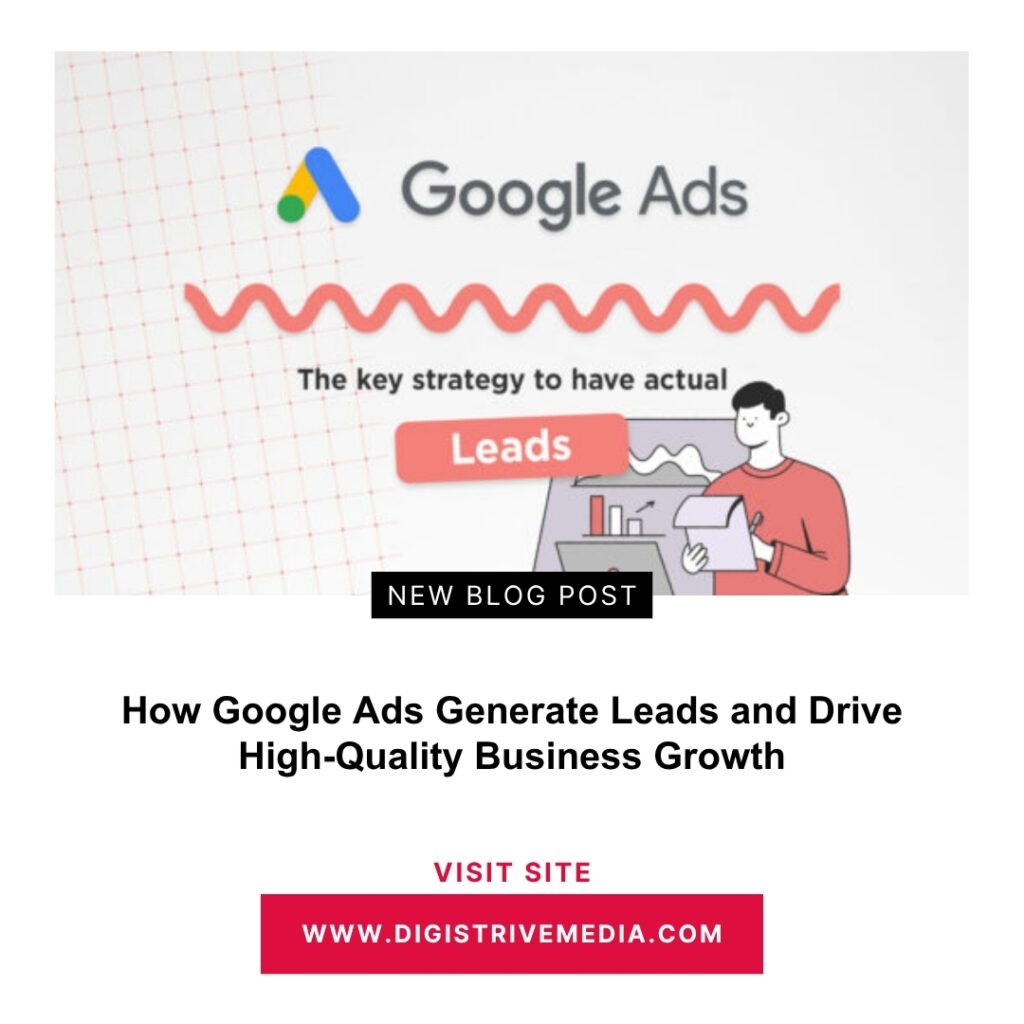
This blog explains how Google Ads generate leads, why they work effectively, and how businesses can maximize their advertising performance to achieve better conversions and stronger ROI.
Understanding the Power of Google Ads for Lead Generation
Google Ads is an online advertising platform developed by Google that allows businesses to display ads on search results, websites, YouTube, and mobile applications. When users search for a product or service, Google displays relevant ads based on keywords and bidding strategies. Therefore, businesses gain direct access to potential customers who already show interest in specific services.
Lead generation through Google Ads works because it captures customer intent immediately. For example, when someone searches for “best digital marketing agency near me,” they already look for a service provider. If a business appears at the top of the search results, the user is more likely to click the advertisement and contact the company.
Additionally, Google Ads creates opportunities for businesses of every size. Small businesses can compete with larger brands because Google focuses on ad relevance and quality instead of only advertising budgets. Consequently, well-optimized campaigns often perform better than expensive but poorly managed advertisements.
Google Ads also supports different ad formats such as search ads, display ads, video ads, shopping ads, and remarketing campaigns. Each format serves a unique purpose in attracting and converting users into leads. Because of this flexibility, businesses can create highly personalized marketing campaigns that suit their industry goals.
Another major reason why Google Ads generate quality leads is real-time performance tracking. Businesses can monitor clicks, conversions, impressions, and customer actions instantly. Therefore, marketers can identify successful campaigns quickly and improve weaker advertisements for better outcomes.
Search Intent Plays a Major Role in Google Ads Success
Search intent remains one of the strongest reasons why Google Ads deliver high-quality leads. Unlike traditional advertising methods, Google Ads targets users who actively search for specific solutions. Consequently, businesses attract customers who already have buying intent.
For instance, a person searching for “best interior design company in Bangalore” is more likely to become a lead compared to someone who sees a random social media advertisement. Since the user already needs the service, Google Ads places businesses directly in front of interested customers.
This intent-driven marketing strategy increases conversion rates significantly. Moreover, businesses waste less money because ads reach relevant audiences instead of broad and uninterested users. As a result, companies experience better lead quality and improved return on investment.
Keywords play an essential role in matching user intent. Businesses must choose highly relevant keywords that align with customer searches. Long-tail keywords often perform exceptionally well because they target users with specific requirements. For example, “affordable SEO agency for startups” may generate better leads than simply using “SEO services.”
Furthermore, negative keywords help remove irrelevant traffic. Businesses can exclude unrelated searches to improve campaign efficiency and reduce unnecessary ad spending. Therefore, Google Ads becomes more precise and profitable over time.
Targeted Advertising Improves Lead Quality
One of the strongest advantages of Google Ads lead generation is advanced targeting. Businesses can reach specific audiences according to location, age, language, device usage, interests, and online behavior. Consequently, companies generate leads from users who are more likely to convert.
Local businesses especially benefit from geographic targeting. For example, a training institute in Bangalore can display advertisements only to users within selected locations. As a result, the campaign attracts nearby customers who can actually visit the institute.
Mobile targeting also improves lead generation performance. Since most users browse through smartphones, businesses can create mobile-friendly campaigns with click-to-call features. Therefore, customers can contact companies instantly without visiting multiple pages.
Audience segmentation further enhances advertising performance. Businesses can create campaigns for new users, returning visitors, or previous customers. Because of this personalization, advertisements become more relevant and engaging.
Additionally, businesses can schedule ads during peak customer activity hours. If inquiries increase during evenings or weekends, marketers can prioritize ad visibility during those periods. Consequently, campaigns generate stronger engagement and higher conversion rates.
High-Quality Landing Pages Increase Conversions
Google Ads alone cannot generate strong leads without optimized landing pages. Once users click on an advertisement, they expect relevant and useful information immediately. Therefore, businesses must create landing pages that encourage visitors to take action.
A high-converting landing page includes a strong headline, compelling content, clear service details, trust indicators, and effective call-to-action buttons. Moreover, the page should load quickly and function properly on mobile devices. Slow websites often increase bounce rates and reduce lead generation performance.
Businesses should keep forms simple and easy to complete. Long forms often discourage users from submitting inquiries. Therefore, asking only essential details improves conversion rates significantly.
Visual elements also play an important role in building trust. Customer reviews, testimonials, certifications, and case studies help visitors feel more confident about the business. As a result, users become more likely to contact the company.
Consistency between advertisements and landing pages is equally important. If an ad promises “Free Consultation,” the landing page should clearly highlight that offer. Consequently, users experience a smoother journey and higher trust levels.
Keyword Research Determines Campaign Success
Effective keyword research forms the foundation of successful Google Ads campaigns. Businesses must understand what potential customers search for before creating advertisements. Consequently, keyword planning directly influences lead quality and campaign performance.
High-intent keywords usually generate the best leads because they target users ready to make decisions. Phrases like “hire,” “best,” “near me,” “services,” and “consultation” often indicate strong purchase intent.
Competition analysis also helps businesses identify profitable keyword opportunities. Marketers can study competitor advertisements, bidding strategies, and keyword trends to improve campaign planning. As a result, businesses gain better visibility in competitive industries.
Using a mix of short-tail and long-tail keywords creates balanced campaigns. Short keywords generate broader traffic, while long-tail keywords attract highly specific audiences. Therefore, combining both strategies improves overall lead generation.
Regular keyword optimization remains essential for long-term success. Search trends change constantly, so businesses must monitor performance and adjust campaigns accordingly. Consequently, advertisers maintain strong visibility and better lead quality.
Google Ads Delivers Faster Results Than Organic Marketing
Search engine optimization takes time to generate rankings and traffic. However, Google Ads delivers instant visibility because advertisements appear immediately after campaign activation. Therefore, businesses can start generating leads much faster.
This speed becomes especially valuable for new businesses, seasonal campaigns, product launches, and limited-time offers. Companies no longer need to wait months to reach their target audience. Instead, they can attract inquiries within hours of launching advertisements.
Fast visibility also helps businesses test marketing strategies quickly. Advertisers can experiment with different headlines, keywords, landing pages, and targeting settings to identify the best-performing combinations. As a result, campaigns improve continuously.
Additionally, Google Ads supports scalable growth. Businesses can increase budgets gradually as campaigns begin generating profitable leads. Therefore, companies maintain better control over advertising investments.
Although organic SEO remains important, combining it with Google Ads creates stronger marketing performance. Paid campaigns generate immediate traffic, while SEO builds long-term authority. Consequently, businesses achieve both short-term and long-term growth.
Remarketing Campaigns Help Recover Lost Leads
Many users visit websites but leave without taking action. Remarketing campaigns help businesses reconnect with those visitors through targeted advertisements. Therefore, companies receive another opportunity to convert interested users into leads.
Remarketing works effectively because it reminds users about previously viewed products or services. For example, if someone visits a digital marketing website but leaves without contacting the company, remarketing ads can reappear while the user browses other websites or watches YouTube videos.
This repeated visibility increases brand recall and trust. Consequently, users become more likely to return and complete inquiries later. Remarketing campaigns also improve conversion rates because they target audiences who already showed interest.
Businesses can customize remarketing advertisements according to user behavior. Visitors who viewed specific services can receive personalized advertisements related to those pages. As a result, ads feel more relevant and engaging.
Additionally, remarketing campaigns often cost less than acquiring completely new users. Since the audience already knows the brand, businesses usually achieve better conversion rates at lower costs.
Ad Copywriting Influences Lead Generation Performance
Strong advertisement copy directly impacts click-through rates and lead generation success. Businesses must create clear, engaging, and action-driven advertisements that encourage users to click immediately.
Effective Google Ads copy highlights benefits instead of only features. For example, “Increase Your Business Leads Fast” sounds more compelling than “Digital Marketing Services.” Therefore, user engagement improves significantly.
Including emotional triggers also strengthens advertisement performance. Words such as “trusted,” “affordable,” “expert,” “proven,” and “certified” create stronger customer confidence. Consequently, users feel more encouraged to take action.
Call-to-action phrases remain equally important. Statements like “Book Free Consultation,” “Call Today,” and “Get Instant Quote” guide users toward immediate decisions. Therefore, advertisements become more conversion-focused.
Businesses should continuously test different headlines and descriptions. A/B testing helps marketers identify the best-performing ad variations. As a result, campaigns achieve higher click-through rates and improved lead generation.
Google Ads Analytics Improve Marketing Decisions
One of the greatest advantages of Google Ads is data transparency. Businesses receive detailed performance insights that help improve future marketing decisions. Therefore, companies can optimize campaigns based on actual customer behavior instead of assumptions.
Analytics reveal important metrics such as click-through rates, cost per click, conversion rates, and user engagement patterns. Consequently, businesses understand which advertisements generate the best leads.
Tracking tools also help marketers identify weak points within campaigns. For example, if users click advertisements but leave landing pages quickly, businesses may need better content or improved website design.
Conversion tracking provides accurate measurement of campaign success. Businesses can monitor phone calls, form submissions, purchases, and website interactions directly. Therefore, advertisers gain a clearer understanding of return on investment.
Additionally, analytics support smarter budget allocation. Businesses can invest more in high-performing campaigns while reducing spending on underperforming advertisements. Consequently, marketing efficiency improves significantly.
Mobile Advertising Increases Lead Opportunities
Mobile internet usage continues to grow rapidly across the world. Therefore, businesses must optimize Google Ads campaigns for mobile users to maximize lead generation opportunities.
Mobile-friendly advertisements provide seamless experiences for smartphone users. Features such as click-to-call buttons, location extensions, and fast-loading pages encourage immediate action. Consequently, businesses receive more direct inquiries.
Local searches especially perform strongly on mobile devices. Many users search for nearby services while traveling or during urgent situations. Therefore, businesses that optimize local Google Ads campaigns often generate high-quality local leads.
Responsive design also improves user experience. Websites that adjust properly to different screen sizes keep visitors engaged longer. As a result, conversion rates improve significantly.
Moreover, mobile advertising supports voice search optimization. As voice searches continue growing, businesses should target conversational keywords that match natural speaking patterns. Consequently, campaigns remain competitive in changing search trends.
Budget Control Makes Google Ads Highly Flexible
Google Ads provides businesses with complete control over advertising budgets. Companies can set daily spending limits, adjust bids, pause campaigns, and increase budgets whenever necessary. Therefore, businesses of every size can use Google Ads effectively.
Small businesses especially benefit from flexible budget management. Instead of investing huge amounts upfront, companies can start with smaller budgets and scale gradually. Consequently, risk remains lower while learning campaign strategies.
Cost-per-click advertising also improves spending efficiency because businesses pay only when users interact with advertisements. Therefore, budgets focus on actual engagement rather than random visibility.
Smart bidding strategies further optimize advertising performance. Automated bidding uses machine learning to maximize conversions and improve campaign outcomes. As a result, businesses achieve better efficiency with less manual effort.
Additionally, detailed reporting prevents unnecessary spending. Advertisers can monitor underperforming keywords and pause ineffective campaigns quickly. Consequently, every marketing rupee delivers stronger value.
Why Businesses Should Invest in Google Ads Today
The digital marketing landscape continues evolving rapidly, and competition grows stronger every year. Businesses that ignore paid advertising often struggle to maintain visibility and customer engagement. Therefore, investing in Google Ads has become essential for sustainable growth.
Google Ads helps businesses reach customers during every stage of the buying journey. Whether users seek information, compare options, or prepare to purchase, advertisements keep brands visible throughout the process.
Moreover, businesses gain measurable results instead of uncertain marketing outcomes. Campaign performance, customer interactions, and conversion rates remain fully trackable. Consequently, decision-making becomes more data-driven and effective.
Google Ads also supports brand credibility. Users often trust businesses appearing at the top of search results because visibility creates authority perception. Therefore, advertisements improve both awareness and lead generation simultaneously.
As online competition increases, businesses need faster and smarter customer acquisition strategies. Google Ads offers immediate visibility, advanced targeting, measurable performance, and scalable growth opportunities. Consequently, it remains one of the most effective lead generation platforms available today.
Conclusion
Google Ads has transformed the way businesses attract and convert customers online. Instead of relying on broad advertising methods, companies can now target users with precision and generate highly qualified leads. Because Google Ads focuses on customer intent, businesses connect with audiences who actively search for their products or services.
From keyword targeting and audience segmentation to remarketing and conversion tracking, every feature within Google Ads supports stronger lead generation performance. Additionally, businesses gain complete control over budgets, campaign optimization, and advertising strategies. As a result, companies achieve better ROI and sustainable business growth.
Successful lead generation through Google Ads requires proper planning, keyword research, compelling advertisements, and optimized landing pages. Businesses that continuously monitor and improve campaigns often experience long-term marketing success. Furthermore, combining Google Ads with SEO and content marketing creates even stronger digital visibility.
In today’s competitive online environment, businesses cannot depend only on traditional marketing methods. Google Ads provides the speed, flexibility, and targeting accuracy necessary for attracting modern consumers. Therefore, companies that invest in well-managed Google Ads campaigns can generate consistent leads, improve brand visibility, and increase overall revenue effectively.
Visit: Digistrive Media
Contact: +91 8147327494 / +91 8050732515