How to Choose a Digital Marketing Agency in Bangalore
Choosing the right digital marketing agency can make a difference to your business growth. The right partner can help you reach potential customers, improve your online visibility, and generate qualified enquiries.
However, finding an agency is not always easy. Many companies offer similar services, but their strategies, experience, pricing, and reporting methods can vary.
Some businesses need better Google rankings. Others want to generate leads through Google Ads or social media. Your choice should depend on your goals, budget, and target audience.
In this guide, we explain how to choose a digital marketing agency in Bangalore and what to check before signing a contract.

1. Define Your Business Goals
Before contacting an agency, decide what you want to achieve.
A clear goal helps the agency recommend the right services and measure results.
For example, your business may want to:
- Generate more qualified leads.
- Improve Google search visibility.
- Increase website traffic.
- Promote products through social media.
- Generate sales for an e-commerce store.
- Build brand awareness.
- Improve conversion rates.
Each goal requires a different approach.
If your primary objective is lead generation, focus on the quality of enquiries rather than traffic alone. If you want long-term organic visibility, SEO and content development may deserve greater attention.
Start with one or two measurable business goals. You can expand your strategy as your requirements grow.
2. Check the Agency’s Services
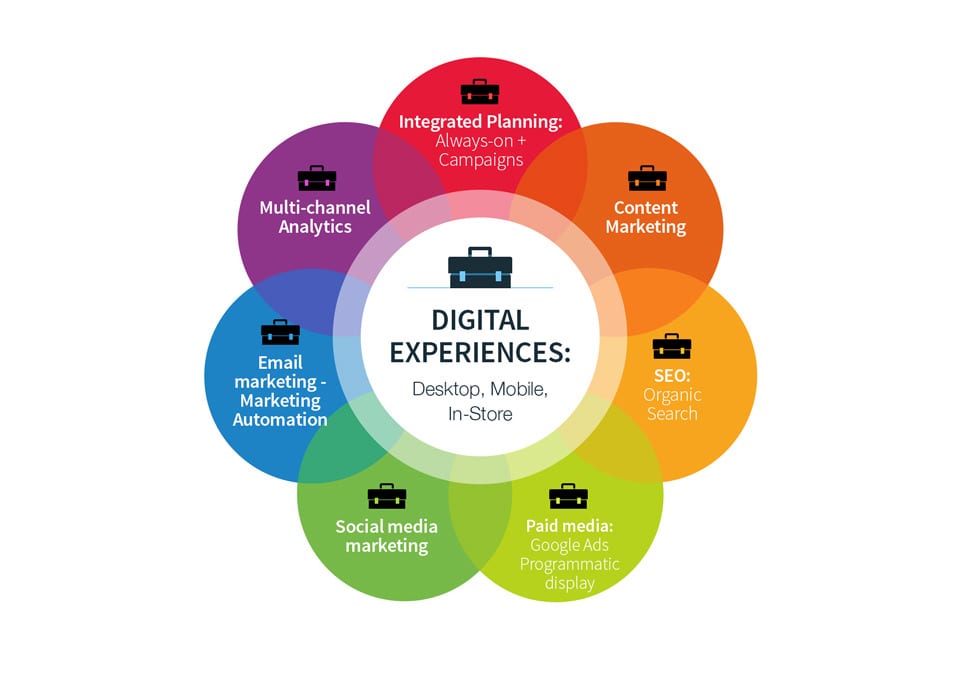
Not every digital marketing agency offers the same services. Some focus on advertising, while others provide SEO, social media management, website development, and conversion optimization.
Choose an agency based on the services your business actually needs.
Search Engine Optimization
SEO helps improve your website’s visibility in organic search results.
Typical activities include keyword research, technical SEO, content optimization, internal linking, and performance monitoring.
SEO is useful for businesses that want to attract relevant visitors through unpaid search results over time.
Google Ads Management
Google Ads allows businesses to reach people through paid advertising placements.
An agency may help with keyword research, campaign setup, ad copy, conversion tracking, and ongoing optimization.
This can be useful when your business wants to test demand or reach people searching for specific services.
Social Media Marketing
Social media marketing helps businesses communicate with their audience through platforms such as Instagram and Facebook.
Services may include content planning, creative production, posting, community management, and paid social campaigns.
The right approach depends on your audience and business objectives.
Website Development
Your website plays an important role in digital marketing.
A good agency should understand how landing pages, website structure, mobile usability, and enquiry forms affect campaign performance.
Some businesses may also need e-commerce websites, custom software, or CRM integration.
Choose an agency that can cover your requirements or coordinate the necessary specialists.
3. Review the Agency’s Experience
Before hiring an agency, understand the type of work it has delivered.
Ask to see relevant projects, case studies, or examples of previous campaigns.
Look for experience that matches your industry, audience, and business model.
For example, an education institute may need student admissions. An e-commerce company may focus on online sales. A software company may need qualified business enquiries.
These businesses have different customer journeys and conversion goals.
Questions to Ask
- Have you worked with businesses similar to mine?
- Which services did you provide?
- What were the campaign objectives?
- How did you measure performance?
- Can you share genuine examples of your work?
A useful case study explains the starting situation, actions taken, and results achieved. Be cautious of impressive claims that lack context or supporting evidence.
4. Understand the Agency’s Digital Marketing Strategy
A reliable agency should explain how it plans to achieve your goals.
Avoid choosing a provider simply because it promises a large number of leads or immediate rankings.
Instead, ask for a strategy that connects marketing activities with measurable outcomes.
For a lead generation campaign, the process might include:
- Understanding your target audience.
- Researching relevant keywords and competitors.
- Reviewing your website and landing pages.
- Selecting suitable marketing channels.
- Setting up conversion tracking.
- Launching and testing campaigns.
- Reviewing lead quality and campaign performance.
This process helps identify what is working and where improvements are needed.
The strategy should also account for your budget, sales process, and capacity to handle incoming enquiries.
5. Compare Digital Marketing Agency Pricing
Digital marketing costs vary based on the scope of work, advertising budget, competition, and resources required.
A basic social media package is different from a campaign involving SEO, Google Ads, landing pages, and ongoing reporting.
When comparing quotations, review the deliverables rather than focusing only on the monthly fee.
| Service | What to Check |
|---|---|
| SEO | Technical audits, content, optimization, and reporting |
| Google Ads | Campaign setup, management, tracking, and exclusions |
| Social media | Number of posts, creatives, reels, and platforms |
| Website development | Pages, features, integrations, and maintenance |
| Content marketing | Research, writing, editing, and publishing |
| Reporting | Performance metrics, lead quality, and recommendations |
Also, confirm whether advertising spend is included in the quoted price.
In many arrangements, the client pays the advertising platform separately from the agency’s management fee.
Ask about additional charges for landing pages, creative production, software subscriptions, and website maintenance.
6. Avoid Agencies That Promise Guaranteed Results
Digital marketing involves variables that no agency can fully control.
Google rankings depend on competition, content relevance, technical factors, and other signals. Advertising results depend on demand, targeting, bidding, landing pages, and conversion rates.
Therefore, guarantees such as first-page rankings within a fixed number of days or a specific number of leads without a clear basis deserve careful scrutiny.
A professional agency should explain its proposed strategy, assumptions, risks, and measurement process.
It should also distinguish between targets and guaranteed outcomes.
Look for transparent communication instead of unrealistic promises.
7. Check How the Agency Measures Results
Digital marketing reports should help you understand business performance.
A report containing only impressions, clicks, and follower counts may not explain whether your investment is producing useful results.
Ask how the agency tracks enquiries, qualified leads, sales, and conversion rates.
Important Metrics to Review
Organic clicks: Visitors who arrive through unpaid search results.
Search impressions: How often your pages appear in Google search results.
Cost per lead: The cost associated with generating an enquiry, based on a clearly defined calculation.
Lead quality: Whether enquiries match your target audience and service requirements.
Conversion rate: The percentage of relevant visitors who complete a desired action.
Customer acquisition cost: The total cost of acquiring a customer, calculated using an agreed method.
Return on advertising spend: Revenue attributed to advertising relative to the advertising expenditure, where reliable revenue tracking is available.
Choose metrics that reflect your business goals. A company focused on sales needs different reporting from one focused on brand awareness.
8. Make Sure You Retain Access and Ownership
Your business should maintain appropriate control over its digital assets.
Before signing a contract, confirm who owns and manages the following:
- Website domain and hosting.
- Google Analytics and Search Console.
- Google Ads account.
- Meta Business Portfolio and advertising account.
- Website content and creative assets.
- Customer and lead data.
- Tracking and reporting systems.
Whenever possible, create accounts in your business’s name and grant the agency the access it needs.
This arrangement reduces dependency on a single provider and makes future transitions easier.
The agreement should also explain how access, data, and assets will be handled when the engagement ends.
9. Check Communication and Reporting
Digital marketing requires regular review and coordination.
Your agency should explain how often it provides reports, how performance is discussed, and who handles questions or approvals.
Before starting, clarify:
- Who will manage your account?
- How often will you receive updates?
- When will performance reviews take place?
- How are campaign changes approved?
- What happens if results fall below expectations?
- How will the strategy change when business priorities change?
Clear communication helps prevent misunderstandings and delays.
It also makes it easier to identify problems and agree on corrective actions.
10. Why Website Quality Matters in Digital Marketing
Driving traffic to a website is only part of the process.
Visitors also need to understand your offering, trust your business, and find a clear way to take action.
A poorly structured website can reduce the value of otherwise relevant marketing traffic.
Before launching campaigns, review your website for:
- Clear service descriptions.
- Mobile-friendly layouts.
- Relevant landing pages.
- Simple enquiry forms.
- Visible contact details.
- Accurate business information.
- Fast and reliable page loading.
- Proper conversion tracking.
For some businesses, improving the website can be as important as increasing the marketing budget.
A coordinated strategy should connect advertising, SEO, content, and the website experience.
11. Why Consider Digistrive Media?
Digistrive Media provides digital marketing and software solutions for businesses looking to improve their online presence.
Our services include SEO, Google